 Denise Culver
 How a Houston TX Eye Doctor Emphasizes The Importance Of Regular Eye Exams To Protect Your Vision

Maintaining optimal vision is crucial for quality of life, yet many people neglect regular eye exams. Routine eye exams do more than check for changes in your prescription—they play a key role in preventing vision loss and detecting underlying health issues. Here’s why prioritizing regular eye exams is essential.
The Role of Eye Exams in Preventing Vision Loss
Eye conditions often develop silently, meaning you may not notice symptoms until significant damage has occurred.
– Refractive Errors: Conditions like nearsightedness, farsightedness, and astigmatism can be diagnosed and corrected with glasses or contact lenses.
– Glaucoma: Often called the “silent thief of sight,” glaucoma can lead to permanent blindness if left untreated but can be managed effectively with early detection.Cataracts: Early identification allows for monitoring and timely treatment through surgery if necessary.
Age-Related Macular Degeneration (AMD): Vision loss from AMD can often be slowed with medical interventions when caught early.
By identifying these conditions at an early stage, your eye doctor can help preserve your vision over time.
How Eye Exams Protect Overall Health
Beyond assessing your eyesight, regular visits to an eye care professional also provide insights into your general health. Certain systemic diseases manifest symptoms in the eyes long before other physical signs appear elsewhere in the body.
– High blood pressure may cause changes in blood vessels within the retina. – Autoimmune conditions such as lupus or multiple sclerosis could present initial warning signs during an examination.
By catching these issues during a routine exam, further diagnostic tests or treatments can begin promptly.
Benefits of Consistent Eye Care Check-Ups
Scheduling consistent appointments with an experienced optometrist or ophthalmologist offers numerous advantages, including:
1.Early Intervention: Detecting eye issues sooner leads to better treatment outcomes. 2.Customized Recommendations: Based on your lifestyle (e. g. , screen time habits or outdoor activities), tailored advice helps maintain optimal vision health. 3.Peace of Mind: Knowing that potential risks are monitored reduces anxiety about long-term vision problems.
| Frequency of Eye Exams (General Guidelines) | Recommended Age Group |
| Every 1–2 years | Adults aged 18–60 |
| Annually | Children under 18 |
| At least annually | Adults over 60 |
These recommendations may vary based on individual risk factors such as family history or pre-existing health conditions.
Taking Proactive Steps for Lifelong Vision Health
To ensure the longevity of your visual acuity: – Schedule comprehensive dilated eye exams based on age and medical history. – Follow any corrective eyewear prescriptions to reduce strain on the eyes. – Adopt healthy habits such as wearing sunglasses outdoors and maintaining a balanced diet rich in nutrients like omega-3 fatty acids and vitamins A and C.
Regular eye exams are one of the most effective measures you can take to detect problems early while safeguarding both vision and overall well-being throughout your life journey.
How a Houston TX optometrist Can Detect Serious Health Conditions Through Eye Exams
Regular eye exams are not only essential for maintaining good vision but can also help detect serious health issues that extend beyond the eyes. The eyes are often referred to as the “windows to the soul,” but from a medical perspective, they are a window into an individual’s overall health. Through a comprehensive examination, an eye doctor can identify signs of various systemic diseases, some of which may go unnoticed during routine physical checkups. Below, we explore some key health conditions that can be detected through eye exams.
Health Conditions Detected During Eye Exams
- Early signs of diabetes often manifest as changes in the blood vessels within the retina, a condition known as diabetic retinopathy.
- Elevated blood pressure can cause damage to the tiny blood vessels in the back of your eye, leading to hypertensive retinopathy.
- An eye doctor may notice narrowed arteries or bleeding within the retina during an exam.
- Yellowish deposits around the cornea or plaque buildup in retinal arteries could indicate elevated cholesterol levels.
- These findings may prompt further cardiovascular investigations for preventive care.
- Conditions like lupus and multiple sclerosis (MS) can sometimes present with inflammation or nerve damage visible in an eye exam.
- Optic neuritis (inflammation of the optic nerve) could signal underlying autoimmune activity.
- A swollen optic disc, known as papilledema, might point toward increased intracranial pressure caused by brain tumors or other neurological conditions.
- Changes in pupil reactions or peripheral vision loss could also hint at potential neurological issues.
- Graves’ disease and other thyroid-related conditions may cause noticeable changes like bulging eyes (proptosis) or double vision.
Why Eye Exams Are Effective for Detecting Systemic Conditions
- Retina:Provides a direct view of blood vessel health and circulation.
- Optic Nerve:Reflects neurological health and communicates directly with the brain.
- Cornea:Offers clues about vitamin deficiencies or systemic infections.
| Health Condition | Eye Exam Indicators | Potential Follow-Up |
| Diabetes | Retinal bleeding/diabetic retinopathy | Blood sugar tests |
| Hypertension | Narrowed arteries/retinal hemorrhages | Blood pressure check |
| High Cholesterol | Arterial plaques/yellowish corneal rings | Lipid profile |
| Autoimmune Disorders | Optic neuritis/inflammation | ANA test/Imaging |
| Neurological Conditions | Swollen optic disc/vision field changes | MRI/Neurologist referral |
When to Consider Additional Testing
If your optometrist observes symptoms suggestive of systemic illness: – They may refer you to a specialist for further diagnostic testing. – Early detection aids in managing potential complications effectively.
By prioritizing regular eye exams, individuals not only protect their vision but also gain insight into their overall health status—often catching life-altering conditions early enough for effective intervention.
How Optometry Houston TX Experts Use Eye Exams to Detect Serious Health Conditions
Regular eye exams are not just about ensuring clear vision; they can also serve as a window to your overall health. During a comprehensive eye exam, an optometrist or ophthalmologist can identify signs of systemic health conditions that may otherwise go unnoticed.
Systemic Diseases Detectable Through Eye Exams
- High blood sugar levels from diabetes can damage the blood vessels in the retina, leading to diabetic retinopathy.
- Early signs include microaneurysms, retinal swelling, and fluid leakage, which are visible during an exam even before symptoms manifest.
- Elevated blood pressure can cause narrowing and damage to retinal arteries, referred to as hypertensive retinopathy.
- Signs such as hemorrhages or swelling of the optic nerve may indicate uncontrolled hypertension.
- Conditions like lupus or rheumatoid arthritis often present with inflammation in the eye (uveitis).
- Persistent redness, light sensitivity, or floaters could point toward underlying autoimmune issues.
- Optic neuritis (inflammation of the optic nerve) is frequently an early symptom of MS. This condition may cause temporary vision loss or pain while moving the eyes.
- Yellow or white plaques in retinal arteries may indicate high cholesterol levels or arterial blockages.
- The presence of these plaques could increase one’s risk for stroke or cardiovascular complications.
- Bulging eyes (exophthalmos) are often linked to thyroid conditions such as Graves’ disease.
Key Indicators and What They Mean
| Indicator Observed During Eye Exam | Possible Health Condition | Additional Symptoms to Watch For |
| Retinal bleeding or swelling | Diabetes | Frequent urination, increased thirst |
| Narrowed blood vessels | Hypertension | Headaches, chest pain |
| Inflammation in the eye | Autoimmune disorders | Joint pain, fatigue |
| Yellowish deposits in arteries | High cholesterol | Chest discomfort, fatigue |
| Swollen optic disc | Multiple Sclerosis | Muscle weakness, difficulty walking |
Why Early Detection Matters
- Many diseases are asymptomatic in their initial stages but show tell-tale signs within the eyes.
- Timely diagnosis allows for interventions that reduce complications and improve outcomes.
- Monitoring changes over time provides valuable insights into both ocular and overall health.
Advice on Scheduling Comprehensive Exams
- Schedule annual eye exams if you’re over 40 or have risk factors for conditions like diabetes or hypertension.
- Children should get their first comprehensive exam before entering school to detect early issues.
- Individuals with chronic illnesses may need more frequent check-ups based on medical advice.
By prioritizing regular eye care appointments, you aren’t just safeguarding your vision—you’re taking proactive steps toward maintaining your general health too.
When and How Often to Schedule an Eye Exam for Optimal Vision Health
Maintaining eye health is crucial, and scheduling regular eye exams plays a vital role in ensuring optimal vision and detecting potential issues early. Determining when and how often to schedule an eye exam depends on various factors, including your age, medical history, lifestyle, and existing vision concerns. Below is a guide to help you understand the recommended frequency of eye exams based on these factors.

Top Recommendations for Eye Exam Frequency at an Eye Clinic in Houston TX
The frequency of eye exams varies by age group and risk category.
- At least one comprehensive vision screening to check for common issues like lazy eye (amblyopia) or strabismus.
- Follow-up exams if recommended by an optometrist or pediatrician.
- Annual eye exams are ideal, especially if the child wears glasses or contact lenses.
- Regular check-ups help support academic performance by addressing undiagnosed vision problems like nearsightedness or farsightedness.
- Every two years if you have no symptoms or known risk factors for vision problems.
- Those who wear corrective lenses should have yearly visits to monitor prescription changes.
- Once every one to two years as you may start developing age-related conditions such as presbyopia, glaucoma, or cataracts. Regular monitoring helps detect these issues early on.
- Annual comprehensive exams are crucial due to higher risks of developing macular degeneration, diabetic retinopathy, cataracts, and other age-related conditions.
Factors That May Require More Frequent Exams
- Diabetes or high blood pressure can lead to complications like diabetic retinopathy or hypertensive retinopathy that require regular monitoring.
- Individuals with a family history of glaucoma, macular degeneration, or retinal detachments should undergo more frequent screenings.
- Jobs requiring prolonged screen use may lead to digital eye strain; annual updates ensure proper prescriptions for computer glasses.
- If you rely on glasses or contact lenses, annual evaluations can track prescription changes efficiently.
- Blurry vision, headaches during reading tasks, floaters in the field of view—these symptoms necessitate prompt professional evaluation regardless of your exam schedule.
Tips for Staying on Track with Eye Exams
- Set reminders on your phone or calendar for upcoming visits.
- Choose an optometrist who offers flexible scheduling options.
- Use insurance benefits before they expire each year.
By staying proactive about scheduling regular exams and being mindful of notable symptoms between visits, you significantly reduce the risk of preventable vision loss while improving overall ocular wellness.
| Age Group | Recommended Frequency | Notes |
| Children (3–5 years) | At least once before age 5 | Check for amblyopia (lazy eye), strabismus |
| School-aged children | Annually | Supports academic performance |
| Adults (18–40) | Every two years | Annual if wearing corrective lenses |
| Adults over 40 | Every one to two years | Monitors age-related conditions like presbyopia |
| Seniors (60+) | Annually | Critical due to increased risk of macular degeneration & cataracts |
Regular scheduling based on these guidelines ensures optimal care at every stage of life while mitigating risks associated with untreated conditions that affect long-term vision health.
What to Expect During a Professional and Comprehensive Eye Exam
A professional eye exam is an essential step in maintaining eye health and overall well-being. Understanding what happens during a comprehensive eye exam can ease any apprehensions and help you prepare for your visit. Below is a detailed outline of the process, highlighting what you can expect from start to finish.
Initial Consultation and Patient History
The first step in a professional eye exam involves gathering information about your medical history, lifestyle, and vision concerns.
- Are you experiencing any vision problems like blurry vision, double vision, or light sensitivity?
- Do you have a history of eye conditions such as cataracts, glaucoma, or macular degeneration?
- Is there a family history of ocular diseases?
- Do you work in environments that may strain your eyes (e. g. , screen-based jobs)?
Providing accurate answers helps the eye care professional understand your unique needs.
Vision Testing
Vision testing involves assessing your visual acuity to determine how well each eye sees.
- Snellen Chart Test: You’ll read letters placed at various distances to evaluate clarity of vision.
- Refraction Test: The doctor uses a phoropter or automated refractor to measure refractive errors like nearsightedness (myopia), farsightedness (hyperopia), astigmatism, or presbyopia.
This helps determine if prescription glasses or contact lenses are needed.
Eye Movement and Coordination Tests
Your eyes’ ability to work together is crucial for depth perception and comfortable focus.
- Eye alignment and muscle coordination.
- Smooth tracking movements when following objects.
These tests can detect issues like strabismus (misaligned eyes) or amblyopia (lazy eye).
Pupil Response Examination
Your pupils’ reaction to light is another critical indicator of eye health. The practitioner shines light into each pupil to assess their size and response speed.
Detailed Eye Health Evaluation
- Analyzing eyelids, cornea, conjunctiva, sclera (white part), and iris for abnormalities.
- Using specialized tools like an ophthalmoscope or slit lamp to examine the retina, optic nerve, blood vessels, and macula.
This part can help identify early signs of conditions like diabetic retinopathy, macular degeneration, retinal detachment, or glaucoma.
Intraocular Pressure Measurement
| Method | Description |
| Non-contact tonometry | A quick puff of air onto the cornea |
| Applanation tonometry | A small probe gently touches the cornea |
Abnormally high IOP levels may indicate potential damage to the optic nerve.
Additional Diagnostic Tests
- Visual Field Testing: Detects blind spots caused by glaucoma or neurological conditions.
- Retinal Imaging: Provides high-resolution images for advanced diagnostics.
- Color Vision Testing: Identifies colorblindness or acquired deficiencies due to retinal diseases.
Post-exam Discussion & Recommendations
- The doctor reviews findings with you.
- If corrective lenses are necessary, appropriate prescriptions will be provided.
- Recommendations for further treatment plans—such as surgery referrals—may be discussed if required based on results.
- Preventive advice such as dietary tips (e. g. , promoting foods rich in lutein) may also be shared.
By understanding these steps in advance, patients can gain confidence about their visit while appreciating how comprehensive exams contribute significantly toward safeguarding long-term vision health. Regular exams not only address current concerns but also play an instrumental role in early detection of serious issues that could otherwise go unnoticed until advanced stages occur.
Advances in Eye Care: Insights Into Age-Related Macular Degeneration and Diabetic Retinopathy
Advancements in eye care have revolutionized the understanding, detection, and treatment of complex conditions such as age-related macular degeneration (AMD) and diabetic retinopathy. These eye conditions can have a profound impact on vision health and overall quality of life if left untreated. Below is an overview of these conditions, along with insights into how modern advancements are improving treatment options.
Age-Related Macular Degeneration (AMD)
AMD is a leading cause of vision loss among individuals aged 50 and older. It primarily affects the macula—the central part of the retina responsible for sharp central vision.
- Caused by thinning of the macula over time.
- Characterized by drusen (yellow deposits) under the retina.
- Progresses gradually and may lead to blurry central vision.
- Less common but more severe.
- Occurs when abnormal blood vessels grow under the retina, leading to fluid leakage or scarring.
- Can result in rapid vision loss.
Advances in AMD care include:
– Anti-VEGF Injections:Medications like ranibizumab (Lucentis) and aflibercept (Eylea) inhibit vascular endothelial growth factors, reducing abnormal blood vessel formation associated with wet AMD.
– Photodynamic Therapy:A minimally invasive treatment that combines light-sensitive drugs with laser therapy to target abnormal blood vessels.
– Retinal Implants:Experimental treatments involving microchip implants aim to restore some level of vision for individuals with severe AMD.Nutritional Supplements:Research suggests that antioxidant vitamins like C, E, zinc, and lutein can slow dry AMD progression based on findings from the AREDS study.
Diabetic Retinopathy (DR)
| Stage | Key Features |
| Non-proliferative DR | Swelling in blood vessels; hemorrhages |
| Proliferative DR | Abnormal vessel growth; hemorrhaging |
- Retinal Imaging Technology:High-resolution imaging tools such as optical coherence tomography (OCT) allow detailed visualization for early detection.
- Laser Treatment (Panretinal Photocoagulation):Laser therapy prevents further damage by sealing or destroying leaky vessels.
- Artificial Intelligence in Screening:AI algorithms are increasingly being used to analyze retinal scans for early detection in underserved populations at risk.
Preventive Measures and Monitoring
Both AMD and diabetic retinopathy benefit from early diagnosis and consistent monitoring. Some strategies include: – Regular eye examinations tailored to individual risk factors such as age or diabetes duration. – Lifestyle modifications like maintaining healthy blood sugar levels, avoiding smoking, eating nutrient-rich diets, and protecting eyes from UV exposure.
Summary Table Comparing Care Advances
| Condition | Key Intervention | Emerging Technology/Innovation |
| Age-Related Macular Degeneration | Anti-VEGF injections | Retinal implants & gene therapy |
| Diabetic Retinopathy | Laser photocoagulation & OCT imaging | AI-driven diagnostics & advanced imaging |
Advancements continue shaping how specialists approach these chronic conditions, offering hope for improved outcomes through earlier detection and personalized treatments tailored to each patient’s unique needs.
- How a Houston TX Eye Doctor Can Help Maintain Your Vision And Eye Health
- How a Houston TX Eye Doctor Emphasizes The Importance Of Regular Eye Exams To Protect Your Vision
- 6 Reasons to Visit a Houston TX Eye Doctor for Annual Eye Exams
- How a Houston TX Optometrist Can Improve Your Eye Health
- Key Signs You Should Visit an Optometry Houston TX Specialist Immediately
- Choosing a Houston TX Optometrist for Personalized Vision Care
- 5 Sure-Fire Methods to Differentiate Your Optometry Practice in Houston TX and Attract New Patients
- How to Choose the Best Houston TX Eye Doctor for Optimal Eye Care
- Choosing the Right Eye Clinic in Houston TX: Optometrist vs. Ophthalmologist
6 Reasons to Visit a Houston TX Eye Doctor for Annual Eye Exams

Maintaining healthy vision and overall eye health is critical for quality of life. Annual eye exams play a significant role in ensuring your eyes remain healthy while addressing any potential concerns early. Below are six key reasons why these exams are essential.
- Glaucoma:Often referred to as the “silent thief of sight,” glaucoma can lead to irreversible vision loss if not detected early.
- Macular Degeneration:Early diagnosis can slow progression and prevent severe vision impairment.
- Diabetic Retinopathy:Patients with diabetes benefit from annual exams to monitor changes in the retina caused by elevated blood sugar levels.
Your vision evolves over time due to factors like age, screen exposure, or environmental changes. An annual exam ensures that your prescription for glasses or contact lenses stays accurate.
Signs you may need updated prescriptions:– Frequent headaches. – Difficulty reading small print. – Struggling with night vision.
Eye doctors conduct more than just standard tests for visual acuity (the ability to see clearly).
| Test Type | Purpose |
| Visual Acuity Test | Measures sharpness of vision |
| Tonometry | Assesses intraocular pressure (glaucoma risk) |
| Retinal Examination | Detects abnormalities in the retina |
These detailed assessments provide a complete picture of your overall eye health.
Your eyes often reflect broader systemic health issues like hypertension or diabetes before other symptoms appear.
- High blood pressure can cause changes in the blood vessels within the retina.
- Diabetes may damage small retinal blood vessels, leading to diabetic retinopathy.
- Autoimmune disorders can result in inflammation visible during an eye exam.
An annual visit helps detect these conditions early so proper medical treatment can begin.
In today’s digital age, prolonged use of screens often leads to computer vision syndrome (CVS), also known as digital eye strain.
Symptoms include:– Blurred vision. – Dry eyes. – Neck and shoulder pain.
During an annual checkup, your doctor can recommend strategies such as blue light-blocking lenses or suggest adjustments to your workspace ergonomics to alleviate strain.
Preventative care through regular visits promotes long-term eye health by addressing minor issues before they become major problems. Protecting your eyesight now reduces the likelihood of developing severe complications later in life.
Tips for preserving lifelong healthy vision:1. Schedule yearly exams even if no symptoms are present. 2. Wear UV-protective sunglasses when outdoors. 3. Maintain a balanced diet rich in omega-3 fatty acids and vitamins A and C.
Annual eye exams are not simply about updating glasses but are crucial tools for maintaining both ocular health and overall well-being throughout your life journey.
How a Houston TX optometrist can help with early detection to prevent common eye diseases
Early detection plays a critical role in identifying and managing common eye diseases that can lead to long-term vision problems or even permanent blindness. Here’s why early detection is vital and how it can protect your vision for years to come.
Common Eye Diseases That Benefit from Early Detection
- Often referred to as the “silent thief of sight,” glaucoma has no early warning signs.
- Regular eye pressure tests and optic nerve evaluations can catch this condition early, preventing vision loss through timely treatment.
- AMD can impair central vision, making daily activities like reading and driving difficult.
- Early detection allows for lifestyle adjustments, dietary changes, or medical interventions to slow its progression.
- Cataracts develop slowly but can eventually cause significant clouding of the lens.
- Detecting cataracts early ensures appropriate monitoring and planning for corrective surgery when necessary.
- A complication of diabetes, this condition damages the retina over time without presenting symptoms initially.
- Annual eye exams help identify signs of retinopathy before severe damage occurs.
- While not typically sight-threatening, untreated dry eye can lead to chronic discomfort or complications such as corneal damage.
- Early diagnosis enables effective management through medications or lifestyle changes.
| Eye Condition | Possible Consequences if Undetected | Detection Method |
| Glaucoma | Peripheral vision loss, blindness | Eye pressure test, optic nerve exam |
| Diabetic Retinopathy | Blurred vision, retinal damage | Dilated retinal exam |
| Macular Degeneration | Central vision impairment | Retinal imaging |
| Cataracts | Gradual clouded or blurred vision | Slit-lamp exam |
Benefits of Early Detection in Eye Health
- Preservation of Vision:Catching eye diseases early prevents irreversible damage and preserves your eyesight.
- Cost-Effective Care:Treating an issue in its initial stages is often more affordable than addressing advanced complications.
- Improved Quality of Life:Diagnosing and managing conditions like AMD or cataracts early helps you maintain independence in daily activities.
- Proactive Management:Professionals may recommend medications, surgeries, or lifestyle modifications tailored to your specific needs.
Signs You Shouldn’t Ignore Between Exams
While annual exams are important for prevention, certain symptoms might require more immediate attention: – Sudden onset of blurry vision – Persistent floaters or flashes – Loss of peripheral vision – Pain or redness in the eyes
If you experience any of these symptoms, consult an eye care professional promptly for evaluation.
Next Steps Toward Protecting Your Vision
Scheduling routine comprehensive eye exams is one of the most proactive steps you can take for your health. Beyond addressing visual acuity with glasses or contact lenses, these exams provide invaluable insights into potential risks lurking beneath the surface—both within your eyes and overall health indicators discovered through them (such as high blood pressure or diabetes). Achieving early detection means giving yourself the best possible chance at maintaining clear sight well into old age while avoiding preventable complications along the way.
How Optometry Houston TX Services Can Monitor Your Overall Health Through Vision
Eye exams are more than just a check-up for your vision. They serve as a critical window into your overall health, offering insights into systemic conditions that may not yet show noticeable symptoms. Regular eye exams can help detect various health issues early, allowing you to take timely action and prevent further complications.
Detecting Chronic Diseases
Eye exams can reveal early signs of chronic illnesses that may otherwise go unnoticed.
- Diabetes:Diabetic retinopathy, a condition where high blood sugar damages the blood vessels in the retina, can be detected during an eye exam even before diabetes is diagnosed.
- Hypertension (High Blood Pressure):Swelling or changes in the blood vessels of the eyes may indicate high blood pressure.
- Cholesterol Issues:Deposits in the cornea or abnormalities in retinal blood flow can signal elevated cholesterol levels.
Identifying Neurological Conditions
The eyes are closely connected to the brain, making them a valuable tool for detecting neurological problems.
- Multiple Sclerosis (MS):Inflammation of the optic nerve, known as optic neuritis, is often one of the first symptoms of MS.
- Brain Tumors:Changes in vision or swelling at the back of the eye (papilledema) could suggest increased pressure inside the skull.
- Stroke Warning Signs:Blockages or damage to retinal arteries might indicate an increased risk for stroke.
Spotting Autoimmune Disorders
- Rheumatoid Arthritis:Chronic inflammation associated with rheumatoid arthritis can manifest as dry eye syndrome or uveitis (inflammation inside the eye).
- Lupus:Eye inflammation and other ocular symptoms may signal this autoimmune condition.
Comprehensive Eye Exams at a Leading Eye Clinic Houston TX
During a regular visit to an optometrist or ophthalmologist, several tests are performed that provide insights into both your vision and overall health.
| Test Name | Purpose |
| Visual Acuity Test | Measures how well you see at various distances using an eye chart. |
| Retinal Examination | Checks for abnormalities in the retina that may indicate underlying diseases like diabetes or hypertension. |
| Eye Pressure Test | Screens for glaucoma by measuring intraocular pressure. |
| Slit-Lamp Examination | Allows detailed inspection of structures at the front and back of your eyes to detect infections, cataracts, or signs of systemic disease. |
Benefits Beyond Vision Correction
Regular eye check-ups don’t just stop at correcting blurry vision; they also play an integral role in maintaining long-term wellness by fostering early detection and preventive care.
- Early Disease Management:Timely diagnosis allows you to manage conditions like diabetes and hypertension before they progress into severe complications.
- Improved Life Quality:By identifying potential risks early on, you not only protect your eyesight but also improve overall well-being.
- Customized Health Plans:Anomalies detected during routine exams enable physicians to create personalized treatment strategies tailored to your needs.
Scheduling routine eye exams is essential not just for maintaining clear vision but also for gaining insight into your broader health picture. By addressing these interconnected aspects proactively, you’re investing in both short-term and long-term wellness outcomes.
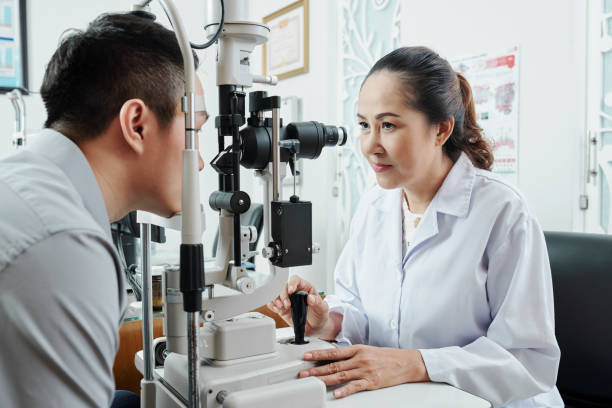
How Regular Eye Exams Help Monitor Your Overall Health Through Your Vision
Regular eye exams are not just about maintaining good vision—they also play a critical role in monitoring your overall health. The eyes provide a unique window into your body, often revealing early signs of systemic health conditions. By visiting an eye doctor routinely, you can gain invaluable insights into both your eye health and general well-being.
Early Detection of Systemic Health Issues
Eye exams are capable of uncovering early indicators of various health conditions before symptoms become evident.
- Diabetes: Changes in blood vessels in the retina can signal diabetic retinopathy, which is often detected during comprehensive eye exams.
- Hypertension (High Blood Pressure): Swelling or narrowing of blood vessels within the eyes can indicate elevated blood pressure levels.
- High Cholesterol: Deposits in the blood vessels or corneal arcus (a white ring around the cornea) may be signs of high cholesterol.
- Autoimmune Conditions: Inflammatory markers detected during an eye examination can point toward autoimmune diseases such as lupus or rheumatoid arthritis.
When identified early through an eye exam, these conditions may be managed more effectively, preventing further complications.
Eye Health Indicators and Your Body’s Wellness
An eye doctor evaluates several aspects during a routine exam that reflect your overall health.
- Retinal Examination: The retina provides clear insights into the condition of your blood vessels and nerves.
- Pupil Responses: Abnormal pupil responses may indicate neurological issues or underlying brain conditions.
- Optic Nerve Assessment: Swelling in the optic nerve could signify increased intracranial pressure or other neurological concerns.
By identifying anomalies in these areas, your optometrist or ophthalmologist can recommend appropriate action to address potential issues.
Benefits for Different Age Groups
| Age Group | Potential Benefits |
| Children (0–18) | Early detection of vision problems like myopia or amblyopia. |
| Adults (19–40) | Monitoring for changes due to lifestyle factors like screen use. |
| Seniors (40+) | Screening for age-related diseases such as glaucoma and macular degeneration. |
Tips to Maximize the Effectiveness of Eye Exams
- Share a complete medical history with your optometrist, including any family history of chronic diseases.
- Inform the doctor about any medications you’re taking that could impact vision.
- Mention current symptoms such as headaches, blurry vision, or sensitivity to light.
- Follow up regularly based on professional recommendations—typically every 1–2 years depending on age and risk factors.
Routine eye care is an essential tool for holistic health monitoring. By scheduling consistent appointments with an eye doctor, you not only safeguard your vision but also enhance awareness about other potential health concerns affecting your body.
Why Annual Eye Exams Are Crucial for Supporting Children’s Vision and Development
Children’s vision plays a pivotal role in their overall development, from academic performance to social interactions and physical activities. Comprehensive eye exams conducted annually are essential to ensure their visual health and to identify potential issues early. Below is a detailed exploration of why regular eye doctor visits are vital for children.
Detecting Vision Problems Early
Children may not always realize when they are experiencing vision issues, as they assume what they see is normal.
- Nearsightedness (Myopia): Difficulty seeing objects at a distance.
- Farsightedness (Hyperopia): Challenges focusing on close objects.
- Astigmatism: Blurred vision due to the curvature of the cornea or lens.
- Amblyopia (Lazy Eye): Reduced vision in one eye due to abnormal visual development.
- Strabismus (Crossed Eyes): Misalignment of the eyes that can affect depth perception and coordination.
Early detection allows for timely interventions such as corrective lenses, patch therapy, or further medical treatment.
Impact on Academic Performance
Clear vision is integral to a child’s ability to learn and succeed in school. Tasks like reading from a whiteboard, focusing on printed text, or participating in interactive lessons require healthy eyesight.
- Difficulty concentrating during class.
- Poor handwriting or trouble copying assignments from the board.
- A decline in academic confidence due to struggling with visually demanding tasks.
Regular check-ups ensure children have the vision tools they need for success.
Monitoring Eye Development Over Time
A child’s eyes grow and change rapidly during early years and adolescence. Regular exams allow eye doctors to track these changes and adapt treatments accordingly when needed, such as adjusting prescription lenses or monitoring progressive conditions like myopia management.
| Age Group | Recommended Frequency of Exams | Common Concerns |
| Infants (6–12 months) | Once during this period | Early signs of developmental abnormalities |
| Preschoolers (3–5 years) | At least once | Eye alignment, amblyopia |
| School-aged children | Annually | Myopia progression, changes in focus needs |
Preventing Long-Term Damage
Undiagnosed issues left untreated during childhood can lead to permanent damage over time that persists into adulthood.
- Amblyopia becomes harder to treat after the age of 7–9.
- Untreated strabismus may result in double vision or depth perception deficits.
Annual exams serve as preventive measures against long-term complications by addressing concerns before they worsen.
Supporting Overall Health Beyond Vision
Eye exams also provide insight into broader health indicators since certain systemic conditions, like diabetes or high blood pressure, can initially present symptoms through the eyes—even at an early age.
Tips for Parents
- Schedule appointments before school begins each year.
- Ask if your child has noticed any changes in their vision.
- Share relevant family medical history with their optometrist.
- Encourage open communication about any discomfort with wearing glasses or contact lenses.
By prioritizing professional care through regular checkups, parents can empower their kids with clear sight while fostering long-term visual health necessary for thriving at every stage of life’s journey.
Preventing Long-Term Vision Problems with Professional Eye Doctor Care
Taking proactive steps to care for your vision is essential for maintaining eye health and preventing long-term complications. Regular visits to a professional eye doctor can help identify potential problems early and provide tailored solutions to ensure optimal vision.
Early Detection of Eye Diseases
Many serious eye conditions develop gradually and without noticeable symptoms until significant damage has occurred.Glaucoma: Often called the “silent thief of sight,” glaucoma progresses without warning signs but can lead to permanent vision loss if untreated.Macular Degeneration: Regular screenings can detect this age-related condition in its early stages, allowing for interventions that may slow its progression.Diabetic Retinopathy: Managing diabetes-related eye complications requires consistent monitoring by a professional.
Personalized Treatment Plans
Every individual’s eyes are different, and a one-size-fits-all approach will not work for everyone. Eye doctors provide customized care based on factors such as: – Family history of eye conditions – Current health status (e. g. , diabetes, hypertension) – Lifestyle habits (e. g.
By tailoring treatment plans, eye doctors help protect against long-term complications and preserve visual clarity.
Protecting Vision from Age-Related Decline
As we age, our eyes naturally undergo changes that may affect how we see the world: | Age Range | Common Vision Challenges | Professional Care Benefits | |—————–|——————————————|——————————————| | 40–50 years | Presbyopia (difficulty focusing on close objects) | Prescription glasses or contact lenses | | 60+ years | Cataracts, macular degeneration | Surgical options or low-vision aids |
Professional evaluation ensures timely diagnosis and treatment for these age-related changes.
Education on Preventative Measures
A professional eye doctor not only treats existing issues but also educates patients on how to maintain healthy vision. This includes guidance on: 1. Proper use of corrective lenses. 2. Nutritional advice (e. g. , consuming foods rich in antioxidants like leafy greens). 3. Lifestyle adjustments—such as wearing UV-protective sunglasses outdoors.
Monitoring Overall Health Through Vision
The eyes often serve as windows into broader health concerns.
Addressing these underlying issues early can prevent both vision problems and other serious health consequences.
Building a Long-Term Relationship with Your Eye Doctor
Consistency in seeing the same professional over time allows them to track changes in your vision and overall eye health effectively. They’ll maintain detailed records that offer valuable insights into your visual history, improving the quality of care you receive.
Prioritizing regular visits to an experienced eye doctor helps prevent long-term vision impairment by addressing potential risks before they escalate into serious issues. These preventative measures ensure that your eyesight remains sharp and healthy throughout your life.
- How a Houston TX Eye Doctor Can Help Maintain Your Vision And Eye Health
- How a Houston TX Eye Doctor Emphasizes The Importance Of Regular Eye Exams To Protect Your Vision
- 6 Reasons to Visit a Houston TX Eye Doctor for Annual Eye Exams
- How a Houston TX Optometrist Can Improve Your Eye Health
- Key Signs You Should Visit an Optometry Houston TX Specialist Immediately
- Choosing a Houston TX Optometrist for Personalized Vision Care
- 5 Sure-Fire Methods to Differentiate Your Optometry Practice in Houston TX and Attract New Patients
- How to Choose the Best Houston TX Eye Doctor for Optimal Eye Care
- Choosing the Right Eye Clinic in Houston TX: Optometrist vs. Ophthalmologist
How a Houston TX Optometrist Can Improve Your Eye Health

Expertise in Preventive Care
Optometrists are trained professionals specializing in preventive eye care. They not only prescribe glasses or contact lenses but also assess the overall health of your eyes. Regular visits to an optometrist can:
– Detect early signs of conditions like glaucoma, macular degeneration, or cataracts.
– Identify systemic diseases such as diabetes and hypertension that often show early symptoms in the eyes.
– Provide recommendations for lifestyle changes to protect long-term vision health.
Comprehensive Eye Exams
Unlike a quick vision screening at a general clinic, optometrists conduct thorough, comprehensive eye exams tailored to your individual needs. These exams may include:
1. Visual Acuity Tests – To measure the sharpness of your vision. 2. Refraction Assessments – To determine your prescription for corrective lenses. 3. Eye Health Evaluations – To check for abnormalities in the retina, cornea, and optic nerve.
A detailed examination ensures that any underlying problems are addressed promptly.
Personalized Vision Solutions
Optometrists provide customized solutions to meet your specific visual requirements and preferences: – Discussing options for eyeglasses and contact lenses based on your lifestyle. – Recommending treatments such as blue light-blocking lenses if you spend long hours on screens. – Offering advice on protecting your eyes during activities like sports or outdoor work.
These tailored approaches ensure optimal comfort and functionality for every patient.
Ongoing Monitoring and Education
One significant benefit of choosing an optometrist is developing a long-term relationship with a professional who understands your unique eye health history. This allows for consistent monitoring of any changes over time and proactive management of risks.
Additionally, optometrists prioritize educating their patients about maintaining healthy vision habits through: – Proper contact lens hygiene. – The importance of UV protection for eyes. – Minimizing digital eye strain by adopting practices like the 20-20-20 rule (looking at something 20 feet away for 20 seconds every 20 minutes).
Table: Comparison Between Optometrists & General Vision Screenings
| Feature | Optometrist Services | General Vision Screening |
| Depth of Examination | Comprehensive exams with advanced tools | Basic tests focused on vision clarity |
| Diagnosis of Health Conditions | Yes (e.g., glaucoma or diabetes) | Rarely |
| Personalized Recommendations | Yes | Limited |
| Long-Term Care | Builds patient history | No ongoing relationship |
Final Thoughts
Investing time in choosing a qualified optometrist offers far-reaching benefits not just for clearer sight but also for overall health monitoring. With regular check-ups and personalized care plans, you can safeguard one of life’s most valuable assets—your vision—while staying ahead of potential complications that affect both ocular and general health.
Understanding Optometry Houston TX: Choosing the Right Eye Care Professional
Understanding the different types of eye care providers can help you make an informed decision:
– Optometrists: These professionals perform eye exams, prescribe corrective lenses, diagnose common eye conditions, and provide some treatments. – Ophthalmologists: Medical doctors who specialize in comprehensive eye care, including surgery and treatment for complex conditions. – Opticians: Specialists focused on fitting eyeglasses and contact lenses based on prescriptions.
Determining your needs—whether it’s routine care or specialized treatment—will guide you toward the appropriate professional.
Are They Licensed and Certified at the Eye Clinic Houston TX?
It’s essential that your chosen eye doctor holds proper licensing and certifications to practice in your region. You may also want to check if they are members of reputable organizations such as: – The American Optometric Association (AOA) – The College of Optometrists – Other recognized professional bodies in your country
These affiliations often indicate adherence to high standards of care.
1. What Services Do They Offer?
Different clinics vary in their range of services. Ask about: – Comprehensive vision exams – Screening for glaucoma or macular degeneration – Specialty services like pediatric or geriatric eye care – Availability of advanced diagnostic technology
If you have specific concerns like dry eyes or frequent headaches related to visual strain, ensure they have expertise in these areas.
2. What Are Their Office Hours and Location?
Convenience plays an important role when selecting an eye doctor. Consider: | Factor | Questions to Ask | |——————————|————————————–| | Location | Is the clinic near your home/workplace? | | Office hours | Do they offer evening/weekend appointments? | | Emergency availability | Can they accommodate urgent visits? |
Accessibility ensures that ongoing appointments don’t disrupt your schedule significantly.
3. How Are Costs Handled?
Understanding costs upfront helps avoid unexpected expenses later. Key questions include: – Do they accept your insurance plan? – What is the price range for exams, glasses, or contact lenses? – Are payment plans available for more extensive treatments?
Transparency about fees reflects professionalism and builds trust.
4. What Do Reviews Say About Their Practice?
Patient testimonials provide valuable insights into a provider’s quality of care: – Check online reviews on platforms like Google or Yelp. – Ask friends or family members for recommendations.
Look out for patterns relating to punctuality, patient interaction, and overall satisfaction.
Final Thoughts
Choosing the right eye doctor requires careful consideration of numerous factors ranging from qualifications to convenience. By asking these targeted questions during consultations or research, you can feel confident about entrusting your vision health to a capable professional whose services align with your unique needs.
How Independent Optometry is Revolutionizing Modern Eye Care
Patient-Centered Approach
Independent optometrists are known for their patient-focused care. They often spend more time understanding each individual’s unique vision needs and lifestyle demands, offering tailored solutions rather than one-size-fits-all treatments. Key benefits include:
– Longer consultation times to thoroughly assess vision health
– Personalized treatment plans based on medical history and specific concerns
– Emphasis on patient education about maintaining ocular health
This customized approach ensures patients receive the quality care they deserve.
Advanced Technology and Innovation
Independent practices frequently invest in cutting-edge technology to provide the most accurate diagnoses and effective treatments possible. By staying ahead of technological advancements, these clinics ensure high standards of care. Examples of innovations include:
– Digital retinal imaging for early detection of conditions like glaucoma or macular degeneration
– Optical coherence tomography (OCT) for detailed imaging of retinal layers
– Advanced contact lens fittings using corneal topography maps
These tools enable independent optometrists to stay at the forefront of eye care science.
Broader Eyewear Selection
Unlike larger retail chains limited by brand partnerships, independent optometrists often offer a curated selection of eyewear that prioritizes both function and style. Benefits include:
– Access to exclusive designs from boutique eyewear brands
– Wide variety of frame materials catering to different comfort levels and aesthetics
– Professional opticians who provide guidance in choosing frames that suit facial structure, lifestyle, and vision prescription
A visit to an independent practice often allows for a more enjoyable and personalized eyewear shopping experience.
| Feature | Independent Optometrist | Corporate Chain |
| Consultation Time | Often longer | Typically shorter |
| Eyewear Selection | Unique options | Limited by partnerships |
| Technology Investment | High focus on updates | May lag in upgrades |
Supporting Community Health
Another way independent optometry is creating change is through its commitment to local communities. Many small practices actively engage in initiatives that enhance public health awareness and provide access to essential services:
– Organizing free vision screenings at schools or community centers
– Offering affordable eye care programs for underprivileged groups
– Promoting sustainable practices like eco-friendly eyewear options
By fostering meaningful connections within their locality, independent practices contribute significantly to overall community well-being.
Why Choose Independent Optometry?
When selecting an eye doctor, considering an independent optometrist can lead to more personalized care, access to innovative tools, diverse eyewear choices, and opportunities to support local business growth. This model bridges the gap between advanced medical care and strong community ties—ultimately benefiting both patients’ health and their sense of connection with local providers.
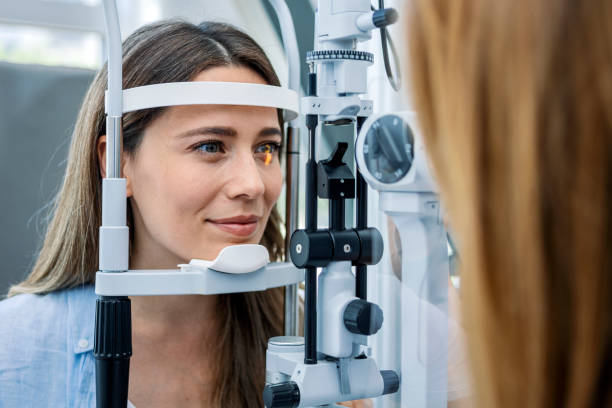
Personalized Eye Care Services Tailored to Your Unique Vision Needs
When it comes to eye health, a one-size-fits-all approach often falls short. Every individual has unique vision requirements and lifestyle demands that influence their eye care needs. Optometrists who focus on personalized eye care services offer a tailored approach that considers your specific circumstances, ensuring optimal visual health and comfort.
Benefits of Personalized Eye Care
- Comprehensive Assessments: Personalized services begin with a thorough examination to evaluate not just vision clarity but also overall eye health.
- Tailored Treatment Plans: Based on the assessment, your optometrist develops a treatment plan that fits your unique needs.
- Lifestyle Consideration: Whether you work long hours at a computer or spend time outdoors, personalized solutions address specific environmental demands.
- Proactive Prevention: By understanding genetic factors or pre-existing conditions, individualized care supports early detection and prevention of potential issues.
Commonly Included Services
| Service | Purpose |
| Vision Testing | Evaluate clarity and accuracy in near and distant vision |
| Customized Lens Prescriptions | Correct refractive errors tailored to individual requirements |
| Dry Eye Management | Focused solutions for chronic dryness or irritation |
| Digital Eye Strain Solutions | Specialized lenses or exercises for frequent screen users |
| Pediatric Eye Care | Age-specific testing for children’s unique developmental needs |
| Geriatric Vision Support | Address age-related conditions like cataracts or macular degeneration |
These varied services ensure patients receive focused attention no matter their age group or vision concerns.
Why Individual Care Matters for Long-Term Vision
- Athletes: Custom-fit sports eyewear can enhance performance while protecting against injuries.
- Children: Early detection of issues like myopia (nearsightedness) can slow progression through techniques such as orthokeratology.
- Seniors: Routine monitoring for age-related changes ensures timely treatment of conditions like glaucoma.
This level of personalization not only improves immediate visual comfort but also promotes better outcomes over time by addressing potential future risks.
Steps to Get Started with Personalized Optometry Services
- Schedule an Initial Consultation: Book an appointment with an optometrist who specializes in tailored care.
- Discuss Your Lifestyle Needs & Concerns: Share details about your daily routine, hobbies, and family medical history.
- Understand Available Options: Learn about the range of treatments and technologies available for your specific needs.
- Commit to Regular Check-Ups: Maintain ongoing evaluations to monitor changes in vision and overall eye health.
By investing in personalized eye care services, you take an active role in preserving your eyesight while enhancing day-to-day quality of life through targeted solutions designed just for you.
The Importance of Handpicked Eyewear for Style and Functionality
Selecting the right eyewear is about more than just correcting vision problems. It combines personal style, comfort, and functionality to enhance both your appearance and daily life. Handpicked eyewear goes beyond generic solutions by offering tailored choices that suit your vision requirements, facial structure, and aesthetic preferences. Let’s explore why investing in handpicked eyewear is essential.
Benefits of Handpicked Eyewear
- Handpicked eyewear ensures a proper fit specific to your face shape. This reduces pressure points around your nose and ears for maximum comfort during extended wear.
- Frames are selected based on factors such as bridge width, temple length, and frame curvature to guarantee a secure fit.
- High-quality lenses can improve clarity while addressing refractive errors such as nearsightedness, farsightedness, or astigmatism.
- Specialized coatings like anti-reflective or blue-light blocking options enhance lens performance for specific needs like screen time or night driving.
- Premium materials such as titanium or acetate ensure that frames last longer while maintaining their aesthetic appeal.
- High-grade lenses are scratch-resistant and designed to endure daily wear.
- Styles range from classic to contemporary designs that align with personal fashion tastes.
- With handpicked eyewear, you have access to unique frame shapes, colors, and textures not typically found in mass-produced options.
Key Factors When Choosing Handpicked Eyewear
| Factor | Considerations |
| Face Shape | Choose frames that complement the natural contours of your face (e.g., round faces suit angular frames). |
| Lens Type | Determine whether single-vision lenses, bifocals, or progressives are ideal for your prescription. |
| Lifestyle Needs | Frames should align with activities like sports (durable materials) or office work (lightweight designs). |
| Brand Preferences | Opt for trusted brands known for quality craftsmanship and innovative designs. |
Why Your Optometrist’s Expertise Matters
An optometrist plays a critical role in helping you select the perfect eyewear. During the process:
– They assess your visual needs based on a thorough eye examination. – They recommend lenses with coatings suited to lifestyle demands (e.g., UV protection or photochromic lenses). – They guide you toward frames that balance style with practicality without compromising vision correction.
Combining Style with Functionality
Handpicked eyewear empowers individuals by merging vision care with fashion-forward designs. By investing in high-quality frames and lenses tailored to your needs:
– You project confidence through stylish accessories that reflect your personality. – You enjoy everyday activities without discomfort caused by poorly fitting frames or subpar lens quality.
Ultimately, prioritizing handpicked eyewear ensures optimal visual health while allowing you to express yourself through thoughtfully chosen designs.
Supporting Local Optometrists and Strengthening Community Health
Local optometrists play a vital role in maintaining not only individual eye health but also the overall well-being of communities. Choosing to support local eye care providers can bring numerous benefits, from fostering personal connections to promoting community-driven healthcare initiatives. Below, we explore how supporting local optometrists strengthens both individual health and community ties.
Enhanced Personal Care
Local optometrists often provide more personalized care than larger, corporate chain practices. This can lead to stronger patient-provider relationships and better outcomes for your vision health.
– Accessible Communication: Being part of the local community means optometrists are more approachable and focused on building trust with patients over time.
– Customized Treatment Plans: Local providers take time to understand your unique needs, medical history, and lifestyle when recommending treatments or eyewear solutions.
– Continuity of Care: With fewer staff turnovers compared to large organizations, you’re likely to see the same optometrist for years, ensuring consistency in your care.
Economic Impact on the Community
Supporting local businesses like independent optometry practices has a direct positive impact on your neighborhood’s economy.
| Benefit | Impact | |————————|—————————————————–| | Job Creation | Local practices employ residents, creating steady jobs within the community. | | Revenue Circulation | Money spent locally tends to stay within the area, supporting other nearby businesses. | | Support for Schools & Programs | Many local optometrists sponsor school events or contribute to public health programs in their towns. |
By choosing a local provider for your eye care needs, you’re investing in the growth and sustainability of your area.
Contributions to Public Health
Local optometrists often go beyond clinical services by participating in initiatives that enhance public health awareness. – Vision Screenings: Many participate in free or low-cost vision checks at schools or community centers. – Health Education: They educate communities about preventative eye care measures, reducing risks of serious conditions like glaucoma or macular degeneration. – Charity Work: Independent practices may organize charitable efforts such as eyewear donations for underserved populations.
These contributions create healthier communities by addressing both immediate and long-term vision health challenges.
Strengthening Community Ties
Choosing a neighborhood practice fosters stronger relationships between patients and providers while building trust within the community. – Supportive Network: Optometrists who know their patients personally are more likely to provide empathetic and tailored care. – Collaboration with Other Professionals: Local doctors often partner with other small businesses or healthcare providers in the area to ensure comprehensive wellness services. – Community Identity: By supporting local professionals instead of large chains, residents help preserve their town’s unique identity.
Supporting a local optometrist is about more than just receiving quality eye care—it’s about contributing positively to your community’s culture, economy, and overall health outcomes. Making this choice is an investment that benefits both individuals and neighborhoods alike.
- How a Houston TX Eye Doctor Can Help Maintain Your Vision And Eye Health
- How a Houston TX Eye Doctor Emphasizes The Importance Of Regular Eye Exams To Protect Your Vision
- 6 Reasons to Visit a Houston TX Eye Doctor for Annual Eye Exams
- How a Houston TX Optometrist Can Improve Your Eye Health
- Key Signs You Should Visit an Optometry Houston TX Specialist Immediately
- Choosing a Houston TX Optometrist for Personalized Vision Care
- 5 Sure-Fire Methods to Differentiate Your Optometry Practice in Houston TX and Attract New Patients
- How to Choose the Best Houston TX Eye Doctor for Optimal Eye Care
- Choosing the Right Eye Clinic in Houston TX: Optometrist vs. Ophthalmologist
Key Signs You Should Visit an Optometry Houston TX Specialist Immediately
Sudden Vision Changes
If you experience any sudden changes in your vision, such as blurred or distorted vision, it’s essential to see an eye doctor immediately. Common issues include:
– Trouble focusing on objects.
– Difficulty seeing fine details or reading small text.
– Experiencing double vision (diplopia).
These symptoms could be linked to underlying conditions such as retinal detachment, cataracts, or even neurological disorders.
Persistent Eye Pain or Discomfort
Occasional eye strain is common, especially after staring at screens for extended periods of time. However, persistent pain or discomfort is not normal and warrants immediate attention. Possible causes may include:
– Corneal abrasions or scratches on the surface of the eye.
– Glaucoma-related pressure buildup in the eyes.
– Infections like conjunctivitis (pink eye).
Eye pain should never be ignored because it often signals more serious problems.
Frequent Flashes of Light or Floaters
The sudden appearance of floaters (small shapes drifting across your field of vision) combined with flashes of light could point to a retinal tear or detachment. A delayed response in addressing these symptoms may lead to permanent vision loss.
Redness and Swelling That Persist
Temporary redness due to allergies or irritants is usually harmless. However, long-lasting redness accompanied by swelling might indicate conditions such as:
– Uveitis (inflammation of the uvea).
– Dry eye syndrome caused by tear production issues.
– Eye infections requiring antibiotic treatment.
Sensitivity to Light (Photophobia)
A heightened sensitivity to light can disrupt daily activities and may signal issues like corneal inflammation, migraines related to ocular health, or even serious infections.
| Symptom | Possible Cause | Recommended Action |
| Blurred Vision | Cataracts/Retinal Detachment | Immediate evaluation by an eye doctor |
| Floaters & Flashes | Retinal Tear/Detachment | Emergency care |
| Persistent Redness | Infections/Uveitis/Dry Eyes | Professional diagnosis |
Trouble Seeing at Night
If you notice challenges with night driving or navigating dimly lit areas, it could be an early indicator of cataracts, vitamin A deficiency, or other progressive conditions affecting your ability to see in low-light environments.
Scheduling timely appointments with your eye doctor when experiencing any of these symptoms ensures early detection and management of potentially serious eye conditions while preserving your long-term vision health. Always prioritize professional guidance over self-diagnosis when it comes to matters related to your eyes and vision clarity.
Top Reasons to Visit a Houston TX Eye Doctor for Routine Eye Exams
Taking care of your eyes is an essential aspect of maintaining overall health. Routine eye exams are not just for individuals with glasses or contact lenses—they are important for everyone. Regular check-ups with an eye doctor can help detect potential issues early, ensure clear vision, and support long-term eye health.
Comprehensive Eye Care at the Leading Eye Clinic Houston TX
- Glaucoma
Often referred to as the “silent thief of sight,” glaucoma progresses without symptoms until it causes vision loss. Eye pressure tests during exams can detect it early. - Cataracts
Cataracts develop gradually and may not affect vision immediately. Early detection ensures timely intervention to restore clarity as needed. - Age-related Macular Degeneration (AMD)
AMD is a leading cause of central vision loss in older adults, and its early signs can be spotted during a comprehensive exam. - Diabetic Retinopathy
For individuals with diabetes, regular eye exams are critical to prevent retinopathy, which can lead to blindness if untreated.
Protecting Vision Health Across All Ages
| Age Group | Benefits of Routine Exams | Frequency Recommendation |
| Children | Early detection of visual impairments like myopia | Once between ages 3-5; annually after starting school |
| Adults (20s-30s) | Monitoring for refractive changes or digital strain | Every two years or as needed |
| Adults (40s) | Screening for presbyopia and other age-related changes | Every one to two years |
| Seniors (60+) | Detecting cataracts, glaucoma, and macular degeneration | Annually or more frequently if advised |
Preventing Digital Eye Strain
- Proper screen distance and lighting adjustments.
- Computer eyewear designed to reduce glare and blue light exposure.
- Break techniques such as the 20-20-20 rule: Look at something 20 feet away every 20 minutes for at least 20 seconds.
Maintaining Overall Health Awareness
- High blood pressure may cause damage to blood vessels in the retina.
- Diabetes-related changes in the eyes may indicate uncontrolled blood sugar levels.
- Autoimmune conditions like lupus or rheumatoid arthritis also present signs in ocular tissues.
Routine exams serve as an important window into systemic health concerns that might otherwise go unnoticed.
Final Thoughts on Prioritizing Routine Exams
Scheduling regular visits with your eye doctor isn’t just about maintaining clear sight—it’s about safeguarding your overall well-being. Whether you’re managing an existing condition or aiming for preventive care, these check-ups form a cornerstone of healthy living throughout all stages of life. Developing a consistent habit of visiting your eye specialist ensures that you’re always one step ahead when it comes to protecting your most valuable sense—vision.
Understanding Vision Changes and Knowing When to Consult an Eye Doctor
Vision is one of the most vital senses, and understanding changes in your eyesight can help you maintain healthy eyes and prevent serious conditions. Knowing when to consult an eye doctor is essential for preserving your vision and addressing potential issues early. Below are key aspects to consider regarding vision changes and when professional evaluation is necessary.
Common Vision Changes That May Occur
- Blurriness: Difficulty focusing on objects, whether near or far, may indicate a refractive error such as nearsightedness, farsightedness, or astigmatism.
- Difficulty Seeing at Night: Struggling with night vision could be a sign of cataracts or vitamin deficiencies.
- Floaters or Flashes: Sudden floaters (small shapes that drift across your visual field) or flashes of light may point to retinal detachment or other serious conditions.
- Double Vision: Seeing two images instead of one could indicate muscle imbalance, nerve issues, or other medical conditions requiring immediate care.
- Loss of Peripheral Vision: Narrowing of your field of view might be related to glaucoma—a condition that demands prompt treatment to prevent further damage.
When Should You See an Eye Doctor?
- Sudden Changes in Vision Clarity
If your eyesight suddenly becomes blurry or unfocused without warning, this could signal serious problems like retinal detachment or optic nerve issues. - Eye Pain or Discomfort
Persistent pain in the eyes—especially if accompanied by redness or swelling—can indicate infections such as conjunctivitis (pink eye) or more severe complications like uveitis. - Frequent Squinting or Straining to See Clearly
If you find yourself squinting regularly to view text on screens, road signs, or distant objects clearly, it’s time for a comprehensive examination. - Light Sensitivity
Increased sensitivity to light (photophobia) can be linked to migraines, corneal abrasions, inflammation inside the eye (iritis), and other underlying causes requiring medical attention. - Gradual Worsening Vision Over Time
If you notice a consistent decline in how well you see over weeks or months—even if it seems minor—it’s wise to consult a specialist before the issue develops further.
Preventive Care: Importance of Regular Eye Exams
| Frequency | Recommended For |
| Every 1–2 years | Adults without any known medical history |
| Annually | Individuals with chronic illnesses like diabetes |
| Biannually | Children as their eyesight develops rapidly |
These appointments enable early diagnosis and treatment options for common conditions such as glaucoma and macular degeneration before they compromise your quality of life.
Final Thoughts
Being proactive about identifying vision changes and seeking professional advice can safeguard one of life’s most precious gifts—your ability to see clearly. Always stay attentive to changes in your eyesight and prioritize regular contact with a trusted eye care provider for optimal health outcomes.

How Frequent Headaches Can Be a Sign to Visit Your Eye Specialist
Headaches are a common ailment experienced by many, but they can sometimes signal underlying eye issues. Understanding the connection between frequent headaches and vision problems can help you determine when it’s time to consult an eye specialist. Below, we’ll explore how headaches relate to your eye health, common causes, and what an eye doctor can do to address these concerns.
The Link Between Headaches and Vision Problems
Frequent headaches are often triggered by visual strain or other ocular conditions. Here’s how:
– Digital Eye Strain: Prolonged use of computers, smartphones, or tablets can lead to eye strain, which may result in tension headaches.
– Uncorrected Vision Issues: Untreated refractive errors like nearsightedness, farsightedness, or astigmatism may cause your eyes to work harder than necessary, leading to discomfort and headaches.
– Eye Muscle Imbalance: Conditions such as strabismus (misalignment of the eyes) or convergence insufficiency (difficulty focusing on nearby objects) can cause strain that manifests as headaches.
– Glaucoma or Ocular Hypertension: Certain serious eye conditions like glaucoma may present symptoms such as recurring pain around the eyes coupled with headaches.
Signs Your Headache May Be Related to Eye Problems
While not all headaches stem from vision issues, specific patterns indicate a need for an eye exam:
1. Persistent tension around the temples or behind the eyes after reading or screen time.
2. Headaches accompanied by blurry vision or difficulty focusing on objects near or far away. 3. Increased sensitivity to light (photophobia) alongside headache episodes. 4. Pain that worsens after prolonged tasks requiring intense concentration (e.g., driving at night or working on detailed crafts).
What Your Eye Doctor Will Evaluate
When you visit an eye specialist for frequent headaches, they will perform a thorough assessment that might include:
| Evaluation Type | Purpose |
|————————-|——————————————-|
| Visual acuity test | Determines if uncorrected vision is causing strain |
| Refraction assessment | Identifies refractive errors like myopia or hyperopia |
| Eye alignment check | Examines muscle coordination and binocular function |
| Intraocular pressure test | Screens for conditions such as glaucoma |
| Digital Imaging | Assesses retinal health and looks for abnormalities |
By diagnosing any underlying issue early on, your doctor can recommend corrective measures such as prescription glasses/lenses, lifestyle adjustments like screen breaks during work hours—or even advanced treatments for more severe disorders.
Preventative Steps You Can Take
To minimize headache-inducing eye strain before scheduling an appointment: – Follow the 20-20-20 rule: Every 20 minutes of screen time, look at something 20 feet away for at least 20 seconds. – Use proper lighting while working—neither too dim nor too bright. – Position digital screens slightly below your line of sight to reduce glare. – Wear blue-light-blocking lenses if you spend long hours in front of screens.
If preventative measures fail and frequent headaches persist despite healthy habits, it’s crucial not to ignore the symptoms—your comfort and long-term vision health depend on timely professional care.
When to Visit a Houston TX Optometrist for Urgent Eye Symptoms
Taking care of your eye health is essential for preserving vision and preventing long-term complications. While some eye-related discomforts may resolve on their own, certain symptoms require immediate attention from an eye doctor. Ignoring these signs could lead to serious issues, including permanent damage to your eyesight. Below, we discuss key symptoms that should prompt you to schedule an urgent visit.
Sudden Vision Loss or Blurred Vision
A sudden loss of vision, whether partial or complete, is a red flag requiring prompt medical evaluation. This can occur in one or both eyes and may be accompanied by blurred vision that doesn’t improve with blinking or rest. Common causes include:
– Retinal Detachment: A medical emergency where the retina separates from its supportive tissue.
– Eye Stroke: Blockage of blood flow in the retina leading to potential permanent damage.
– Optic Neuritis: Inflammation of the optic nerve often linked to autoimmune conditions like multiple sclerosis.
Severe Eye Pain
Eye pain that is intense and persistent should never be ignored, especially if it interferes with daily activities. Potential causes include:
– Acute Angle-Closure Glaucoma: A rapid increase in intraocular pressure that can result in vision loss without timely treatment.
– Corneal Abrasion or Ulcer: Scratches or open sores on the cornea often cause significant discomfort and sensitivity to light. – Infections such as keratitis (corneal inflammation) could also lead to severe pain.
Light Sensitivity (Photophobia)
If you experience extreme sensitivity to light along with other symptoms like redness or tearing, it might indicate conditions such as: – Migraines affecting your visual pathways. – Infections like conjunctivitis (pink eye) or uveitis (inflammation inside the eye).
Persistent Redness and Swelling
While minor irritation may cause temporary redness, chronic swelling and discoloration around your eyes demand further investigation. Potential underlying issues may include:
1. Allergic reactions leading to repeated inflammation. 2. Severe infections requiring prescription medication. 3. Autoimmune disorders manifesting through ocular symptoms.
| Symptom | Possible Condition | Urgency Level |
| Sudden Vision Loss | Retinal Detachment | Emergency |
| Severe Eye Pain | Acute Glaucoma / Corneal Ulcer | Emergency |
| Persistent Redness | Uveitis / Conjunctivitis | High Priority |
Floaters or Flashes of Light
Seeing flashes of light or an increased number of floaters could signify vitreous detachment or retinal tears—conditions that necessitate immediate evaluation by a specialist.
When in Doubt, Seek Expert Advice
If you’re unsure whether a symptom requires emergency care, it’s always better to err on the side of caution by consulting an eye doctor promptly for a professional evaluation. Early diagnosis and treatment can make all the difference between recovery and chronic complications when it comes to eye health.
- How a Houston TX Eye Doctor Can Help Maintain Your Vision And Eye Health
- How a Houston TX Eye Doctor Emphasizes The Importance Of Regular Eye Exams To Protect Your Vision
- 6 Reasons to Visit a Houston TX Eye Doctor for Annual Eye Exams
- How a Houston TX Optometrist Can Improve Your Eye Health
- Key Signs You Should Visit an Optometry Houston TX Specialist Immediately
- Choosing a Houston TX Optometrist for Personalized Vision Care
- 5 Sure-Fire Methods to Differentiate Your Optometry Practice in Houston TX and Attract New Patients
- How to Choose the Best Houston TX Eye Doctor for Optimal Eye Care
- Choosing the Right Eye Clinic in Houston TX: Optometrist vs. Ophthalmologist
Choosing a Houston TX Optometrist for Personalized Vision Care

Independent eye doctors stand out due to their ability to provide personalized and comprehensive care that caters specifically to your vision needs. Unlike large chain providers or commercial entities, independent optometrists and ophthalmologists focus on building tailored treatment plans and delivering a superior level of patient-centered service.
Why Choose an Independent Eye Doctor?
Independent eye doctors operate outside the constraints of corporate protocols, giving them the freedom to prioritize your individual needs.
- Personalized Care: Independent practitioners take time to understand your unique vision challenges, lifestyle requirements, and long-term needs.
- Continuity of Service: You’re more likely to see the same trusted provider consistently during follow-up visits.
- Wide Selection of Eyewear: Many independent practices offer a broader range of high-quality eyewear options compared to chain stores.
- Unbiased Recommendations: Without corporate sales pressures, they can provide objective advice about treatments and products that work best for you.
Advantages Over Corporate Chains
| Aspect | Independent Eye Doctors | Corporate Chains |
| Patient Interaction | One-on-one attention; longer appointment times | Shorter visits with limited interaction |
| Treatment Flexibility | Customized plans based on personal history | Standardized solutions for all patients |
| Eyewear Options | Unique frames and lens choices | Limited selection with generic options |
| Provider Continuity | See the same doctor consistently | Likely to see different providers each visit |
Comprehensive Vision Services
Independent eye doctors often provide an extended range of services designed to address complex visual needs.
- In-depth eye exams that go beyond checking for glasses or contact lens prescriptions.
- Early detection and management of chronic conditions such as glaucoma or macular degeneration.
- Specialized care for issues like dry eyes, digital eye strain, or pediatric vision problems.
- Custom-fitted lenses for specific visual demands (e. g. , progressive lenses or sports-specific eyewear).
A Patient-Centric Approach
Another hallmark benefit is the relationship-focused approach independent doctors bring to their practice. They view patients as individuals rather than numbers, striving to foster trust through consistent communication and transparent recommendations.
By choosing an independent eye doctor, you are investing in a healthcare partner who genuinely prioritizes your well-being—not just in the short term but also over time as your vision evolves. Understanding this value can make all the difference when it comes to achieving exceptional eye health results tailored specifically for you.
Discover How Optometry Houston TX Professionals Support Your Long-Term Eye Health
Choosing an independent eye care professional can make a significant difference in your overall eye health. Unlike corporate or chain optometrists, independent eye doctors often provide more personalized and comprehensive care, tailored to support your unique visual needs over time.
Personalized Eye Health Assessments
Independent eye doctors take the time to thoroughly evaluate your vision and ocular health. They don’t just focus on updating prescriptions; their goal is to provide a holistic approach to maintaining the health of your eyes.
- Comprehensive Exams: These professionals typically offer extensive exams that include screening for conditions like glaucoma, cataracts, macular degeneration, and diabetic retinopathy.
- Customized Care Plans: Independent practices prioritize one-on-one consultations to design treatment plans suited to your lifestyle and needs.
- Advanced Diagnostics: Many independent eye clinics invest in cutting-edge technology for detailed imaging and analysis of the eyes.
Proactive Disease Prevention
Since many serious eye conditions begin without obvious symptoms, regular visits with an independent provider can help detect problems early — when treatment is most effective.
- Monitoring Changes Over Time: By visiting a consistent provider, you establish a record of your eye health that helps identify subtle changes or emerging risks.
- Specialized Advice: Independent practitioners may recommend preventative measures such as protective eyewear, nutritional guidance for retinal health, or UV-blocking lenses based on your individual risk factors.
- Family History Reviews: They often spend more time discussing family medical histories which can be critical in assessing genetic predispositions to certain conditions.
Continuity of Care
Independent eye doctors prioritize long-term relationships with their patients. This consistency improves the overall quality of care by allowing providers to better understand their patients’ evolving needs over time.
| Benefits of Continuity | Impact on Eye Health |
| Consistent records | Better tracking of changes |
| Familiarity with patient history | Faster diagnosis & treatment |
| Individualized advice | More accurate recommendations |
Access to High-Quality Products
Another advantage of independent practices is their access to premium products without limitations imposed by corporate partnerships.
- Wide variety of frames and lenses tailored for all budgets or preferences.
- Advanced prescription lens materials such as anti-reflective coatings or blue light filters.
- Recommendations based solely on quality rather than brand obligations.
Choosing an independent eye doctor is a proactive step toward safeguarding your vision today while also supporting long-term ocular health. Their commitment to personalized care ensures you receive not only corrective solutions but also preventative strategies that promote lifelong wellness for your eyes.
How Visiting the Same Eye Clinic Houston TX Can Improve Your Eye Health
Establishing a long-term relationship with the same eye doctor can significantly enhance the quality of care you receive. By maintaining this continuity, you enable your provider to develop a deeper understanding of your unique eye health needs and offer more personalized treatment strategies.
Comprehensive Understanding of Your Eye History
When you see the same eye doctor regularly, they build a complete picture of your eye health over time.
– Tracking Changes:Subtle changes in vision or eye structure can be monitored and addressed before they develop into more serious issues.
– Medical History Awareness:Your doctor is familiar with any prior conditions such as glaucoma, cataracts, or refractive errors, as well as treatments you’ve undergone. This helps them provide tailored recommendations for ongoing care.
– Lifestyle Considerations:The doctor gains insight into factors like screen time habits, outdoor activities, and occupational strain that may impact your eyes.
Continuity in Treatment Plans
Revisiting the same professional ensures consistent application of individualized treatment plans without unnecessary repetition or gaps in care.
– Personalized Recommendations:Your doctor provides advice based on previous exams and interventions designed uniquely for you.
– Efficient Monitoring:Long-term care allows adjustments to be made promptly when changes are detected, such as modifications to prescriptions or preventive measures for conditions like dry eye syndrome or macular degeneration.
– Reduced Redundancy:Avoid having to re-explain your medical history during every appointment, which saves time and reduces potential errors in diagnosis or treatment.
| Benefit | Description |
| Early Detection | Subtle issues caught early by comparing past and present exam results |
| Customized Care | Treatment plans evolve based on ongoing familiarity with unique needs |
| Reduced Stress | Established trust promotes comfort during visits |
Building Trust and Comfort Over Time
Seeing a familiar face during appointments fosters trust between patient and provider, creating an environment where open communication thrives.
– Honest Dialogue:You’re more likely to discuss concerns openly with someone you know and trust.
– Tailored Advice:Recommendations are specific not only to your medical needs but also personal preferences (e. g. , contact lenses vs glasses).
– Emotional Reassurance:Having consistency in care can make stressful situations—like managing chronic conditions—less daunting.
Better Outcomes Through Preventive Care
- Regular screenings help detect asymptomatic issues such as diabetic retinopathy or elevated intraocular pressure.
- Discussions about lifestyle choices focus on reducing risks (e. g. , UV damage mitigation through proper eyewear).
- Long-term patients often experience improved satisfaction due to proactive management of minor concerns before they escalate.
Choosing continuity by consistently visiting one trusted eye doctor is not merely about convenience—it’s an investment in optimal vision health over a lifetime.

Discover the Benefits of Visiting a Houston TX Eye Doctor for Exceptional Vision Health
When it comes to maintaining optimal vision and eye health, choosing independent eye care services can make a significant difference. Unlike large corporate chains, independent eye care professionals offer personalized attention, comprehensive services, and tailored solutions to ensure your eyes remain healthy for years to come. Below, we explore the key benefits of opting for independent eye care services.
Personalized Attention
Independent eye doctors take the time to understand your unique needs and provide individualized care. They are not bound by corporate policies or sales quotas, allowing them to focus entirely on your health and well-being.
– Time for Comprehensive Exams: Independent practices often allocate more time for each appointment, enabling them to conduct thorough evaluations of your vision and overall eye health.
– Tailored Solutions: They recommend eyewear, treatments, or lifestyle changes based on your specific needs rather than promoting one-size-fits-all solutions.
– Patient-Centered Approach: Building trust is a priority. Your concerns are heard and addressed with empathy and expertise.
Access to Advanced Technology
Independent practitioners frequently invest in cutting-edge technology to deliver high-quality care. Their commitment to using advanced diagnostic tools ensures early detection and effective management of various conditions such as glaucoma, cataracts, or macular degeneration.
| Technology | Benefits |
|———————|————————————————————————-|
| Optical Coherence Tomography (OCT) | Detailed imaging of the retina for early detection of conditions like macular degeneration.
| Digital Retinal Imaging | Allows precise monitoring of changes in your retina over time.
| Visual Field Testing | Identifies blind spots or peripheral vision issues with accuracy.
By staying ahead in technological advancements, independent eye care providers ensure their patients receive exceptional care that meets modern standards.
Continuity of Care
Visiting an independent optometrist often means seeing the same professional every visit – a benefit not always guaranteed at larger retail chains where turnover is common among staff members.
– Better Record-Keeping: Your eye history is meticulously tracked to monitor subtle changes over time.Stronger Patient-Doctor Relationship: A trusting relationship fosters open communication about any concerns you may have.Proactive Prevention: Familiarity with your medical history allows the doctor to identify risk factors early.
Local Community Focus
Independent practices are deeply rooted in their communities and strive to build lasting relationships with their patients beyond routine check-ups: – They often participate in community events or local projects aimed at promoting better public health. – By supporting an independent practice, you are also contributing directly to the local economy.
High-Quality Eyewear Selection
Unlike corporate chains that may push mass-produced frames or lenses from partnered suppliers, independent practices prioritize quality over quantity: – Offer premium brands suited for durability and comfort. – Provide customized lens options tailored specifically for daily activities like reading or computer use.
Choosing an independent eye doctor ensures that both your immediate vision needs and long-term eye health goals are met with professionalism and care tailored just for you.
Building Real Relationships with Your Trusted and Experienced Eye Doctor
Establishing a strong relationship with a trusted and experienced eye doctor is essential for maintaining optimal vision health. Beyond providing routine eye exams and addressing vision problems, an experienced eye doctor becomes a valuable partner in your overall wellness. Here’s why building this relationship matters and how it benefits your long-term care.
Personalized Care Tailored to Your Needs
A trusted eye doctor takes the time to understand your unique ocular health history, lifestyle, and specific needs. This allows them to offer tailored recommendations that go beyond generic solutions.
– Customized Vision Correction: Based on your daily activities, they might recommend specific lens coatings for blue light or anti-glare protection.
– Targeted Eye Health Plans: If you have conditions like dry eye syndrome or astigmatism, they will craft a treatment plan that aligns with your symptoms.
– Monitoring for Familial Eye Conditions: By knowing your family medical history, they can watch for early signs of inherited conditions such as glaucoma or macular degeneration.
Trust Built Through Consistency
Seeing the same eye doctor consistently builds a foundation of trust and familiarity. Over time, they develop an in-depth understanding of changes in your vision and overall health.
– Accurate Tracking of Vision Changes: Regular visits ensure even subtle shifts in prescription strength or ocular health are identified promptly.
– Stronger Communication: A familiar relationship makes it easier to express concerns about symptoms you might overlook otherwise.
Benefits of Continuity in Care
When you have an ongoing partnership with one experienced professional, the continuity in care becomes invaluable.
| Benefit | How It Helps |
| Holistic Patient Knowledge | Your comprehensive records are managed by one person who knows your history better than anyone else. |
| Proactive Management | Early detection of recurring issues like cataracts or retinal conditions ensures timely solutions. |
| Efficient Appointments | Familiarity breeds efficiency during exams, leading to faster and more productive sessions without repetitive questions. |
Emotional Comfort and Trustworthiness
Eye exams often involve discussions about sensitive topics such as aging-related conditions or fears about declining vision quality. A trusted professional creates a safe space where you feel comfortable sharing these concerns.
Tips for Building a Strong Relationship with Your Eye Doctor
If you’re looking to deepen your rapport with an experienced eye doctor, consider these steps:
1.Schedule Annual Checkups– Regular appointments help maintain communication while ensuring consistent monitoring. 2.Be Honest About Symptoms– Share even minor discomforts that could signal significant issues. 3.Ask Questions– Don’t hesitate to seek clarification on treatments or diagnoses; transparency strengthens trust. 4.Follow Recommendations– Adhering to prescribed treatments shows commitment to the partnership.
Choosing an experienced eye doctor who prioritizes patient relationships makes all the difference in achieving exceptional vision care tailored specifically for you.
- How a Houston TX Eye Doctor Can Help Maintain Your Vision And Eye Health
- How a Houston TX Eye Doctor Emphasizes The Importance Of Regular Eye Exams To Protect Your Vision
- 6 Reasons to Visit a Houston TX Eye Doctor for Annual Eye Exams
- How a Houston TX Optometrist Can Improve Your Eye Health
- Key Signs You Should Visit an Optometry Houston TX Specialist Immediately
- Choosing a Houston TX Optometrist for Personalized Vision Care
- 5 Sure-Fire Methods to Differentiate Your Optometry Practice in Houston TX and Attract New Patients
- How to Choose the Best Houston TX Eye Doctor for Optimal Eye Care
- Choosing the Right Eye Clinic in Houston TX: Optometrist vs. Ophthalmologist
5 Sure-Fire Methods to Differentiate Your Optometry Practice in Houston TX and Attract New Patients
In today’s competitive healthcare landscape, standing out as an optometry practice is essential for attracting new patients and building long-term trust. Differentiation not only helps you grow your patient base but also establishes your practice as a leader in providing exceptional eye care. Below are five proven methods to help distinguish your optometry practice and ensure you remain at the forefront of patient care.
1. Leverage Advanced Technology
Patients are looking for cutting-edge solutions when it comes to their vision health. Investing in state-of-the-art diagnostic and treatment technologies can set your practice apart. Some examples include:
– Optical Coherence Tomography (OCT): Provides in-depth insights into retinal structures, helping with early detection of conditions like glaucoma or macular degeneration.
– Digital Retinal Imaging: Offers high-resolution imaging that enhances diagnosis accuracy and patient understanding of their eye health. – Blue Light Filtering Solutions: Cater to patients concerned about screen fatigue or digital eye strain.
By advertising these advanced tools, you can position your practice as a modern, forward-thinking provider.
2. Develop a Strong Online Presence
An effective online presence is critical for reaching potential patients. This includes:
– Building a user-friendly website that highlights services, staff credentials, and easy appointment scheduling. – Creating educational blog posts or videos about common eye issues such as dry eyes or astigmatism. – Encouraging satisfied patients to leave positive reviews on platforms like Google My Business or Yelp to build credibility.
Regular engagement on social media platforms (e.g., Instagram or Facebook) also allows you to connect with the local community while showcasing your expertise.
3. Offer Personalized Patient Experiences
Understanding and catering to individual needs creates loyalty among existing patients and attracts new ones through word-of-mouth referrals. Consider these strategies:
– Conduct detailed consultations where patients feel heard regarding their vision challenges. – Provide tailored recommendations for eyewear based on lifestyle factors like sports activities or time spent in front of screens. – Send reminders for routine checkups via email or text messages personalized with the patient’s name and specific needs.
Patients who feel valued are more likely to return — and recommend you to others.
4. Focus on Community Engagement
Engaging with the local community helps establish trust while making your practice more visible. Here’s how you can connect:
– Host free vision screenings at nearby schools, senior centers, or community events. – Partner with local businesses, such as gyms or coworking spaces, offering discounts on blue light glasses for employees. – Participate in local charity initiatives related to vision care (e.g., donating glasses through programs like Lions Clubs International).
Community involvement provides opportunities not only for goodwill but also for marketing your services naturally within the area you serve.
5. Develop Specialized Services
Specialization is one of the most effective ways to differentiate from other generalist practices in optometry. Offering niche services allows you to target specific demographics that may be underserved by competitors. Examples include:
| Specialized Service | Target Patients | Unique Benefits | |—————————–|—————————————|—————————————–| | Pediatric Eye Care | Children needing early intervention | Builds trust with families | | Low Vision Therapy | Seniors dealing with vision loss | Enhances quality of life | | Sports Vision Training | Athletes looking for performance gains| Addresses unique athletic requirements |
Highlighting specialized services in your marketing efforts makes it clear why someone should choose your practice over another.
Differentiating your optometry practice requires a combination of technology adoption, personalized experiences, targeted outreach initiatives, and professional specialization. By implementing these strategies consistently, you’ll attract more patients while fostering trust within the communities you serve — ultimately setting your business apart from competitors in meaningful ways.
Creating a VIP Experience with Your Houston TX Eye Doctor
Creating a VIP experience for your optometry patients is key to building loyalty, differentiating your practice, and encouraging word-of-mouth referrals. Patients who feel valued are more likely to return, recommend your services to others, and trust your expertise. Here are actionable steps to elevate patient care and ensure every visitor feels like a VIP.
Enhance Your Experience at the Leading Eye Clinic Houston TX
- Send personalized appointment reminders via email or text.
- Offer pre-appointment forms online to save patients time during their visit.
- Take time to review the patient’s history and ask about any recent changes in vision or lifestyle.
- Offer customized recommendations based on their occupation, hobbies, or specific needs (e.g., blue-light-blocking lenses for office workers).
- Send personalized thank-you notes or emails post-appointment.
- Remind them of upcoming appointments or share helpful resources like eye care tips.
Enhance Comfort and Convenience
- Provide comfortable seating with good lighting.
- Offer refreshments such as water, tea, or coffee.
- Keep magazines or tablets available with health-related content.
- Maintain minimal wait times by setting realistic scheduling limits.
- Use technology like online booking systems to simplify scheduling for patients.
Provide Premium Services with a Personal Touch
| Service | Description |
| Comprehensive Eye Exams | Include advanced diagnostic tools for in-depth analysis. |
| Specialty Lenses | Offer options such as progressive lenses, anti-glare coatings, or blue-light protection lenses. |
| Dry Eye Treatment Packages | Introduce specialized care plans tailored for dry eye sufferers. |
Make sure staff members explain these offerings in terms of how they’ll benefit the individual patient.
Train Staff in Customer Service Excellence
- Greet every patient warmly upon arrival.
- Active listening
- Maintaining eye contact
- Answering questions clearly without jargon
- Ensure all team members are knowledgeable about available products and services so they can guide patients confidently.
Invest in Visual Appeal and Ambiance
- Keep spaces clean, organized, and modern-looking.
- Use calming colors and adequate lighting throughout the practice.
- Incorporate stylish displays for eyewear products that make browsing enjoyable.
Collect Feedback Proactively
- Use digital surveys following appointments.
- Ask open-ended questions like: “What did you enjoy most about your visit?” “Is there anything we could improve?”
Taking action based on patient suggestions demonstrates a commitment to top-tier service.
By implementing these strategies, you can craft an environment that not only meets but exceeds expectations—turning one-time visitors into lifelong patients who see your practice as an indispensable part of their healthcare routine.
Choosing Upmarket Services to Offer in Your Eye Care Practice
Offering upmarket services in your optometry practice can significantly enhance patient satisfaction, help your business stand out, and increase profitability. To select the right premium services for your practice, it’s important to understand what aligns with patient needs while also offering added value that sets you apart from competitors. Here’s a guide on how to identify and incorporate these services effectively.
Why Offer Upmarket Services?
- Enhance Patient Experience: Offering advanced or personalized services helps patients feel valued and cared for.
- Increase Revenue: Premium options often come at higher price points, boosting revenue streams.
- Create Differentiation: Unique offerings can make your practice stand out in a competitive market.
- Cater to Niche Markets: Some patients are willing to pay more for convenience or cutting-edge technology.
Examples of Upmarket Services
- Optical Coherence Tomography (OCT) scans
- Digital retinal imaging
- Visual field testing with cutting-edge equipment
- High-end brands and luxury eyewear frames
- Prescription lenses with blue-light blocking technology or anti-fatigue properties
- Specialized programs for individuals with binocular vision issues or digital eye strain
- Pediatric vision therapy
- Orthokeratology (Ortho-K) lenses for myopia control
- Scleral lenses for keratoconus or dry eyes
- Treatment options for tired-looking eyes, such as blepharitis treatments or IPL therapy for dry eye syndrome
- Cosmetic contact lenses
- Annual wellness memberships including routine checkups, lens discounts, and priority appointments
Factors to Consider When Choosing Premium Services
| Factor | Description | Example |
| Patient Demographics | Understand the age group, lifestyle preferences, and financial capacity of your clientele | A younger clientele may prefer digital solutions like blue-light blocking glasses |
| Market Trends | Stay informed about advancements in optometry technology | Investing in AI-based diagnostic tools |
| Initial Investment | Assess whether you can afford the necessary equipment upfront | Implementing OCT may require significant capital expenditure |
| Training Requirements | Ensure staff is equipped with proper training to offer specialized services | Certification programs for Ortho-K lens fitting |
| Value Proposition | Be clear about how these services will improve outcomes or experiences | Marketing luxury eyewear as a way to combine style with functionality |
Communicating Value to Patients
- Use clear language to explain how specific technologies improve diagnostic accuracy or comfort.
- Provide side-by-side comparisons of basic vs premium offerings during consultations.
- Highlight long-term benefits such as improved eye health outcomes or cost savings over time.
- Leverage testimonials from satisfied patients who have opted for premium options.
“Our specialty scleral lenses not only provide sharper vision but also address chronic dry eye issues caused by traditional contact lenses.”
Final Thoughts
Investing in upmarket services involves thoughtful planning but can pay off by elevating your optometry practice’s reputation while providing enhanced care options tailored to patient preferences. This approach not only builds trust but ensures longer-lasting relationships with clients who appreciate personalized attention coupled with state-of-the-art solutions tailored specifically for them.

Using Great Marketing Strategies to Make Your Optometry Practice Stand Out
Effective marketing strategies can help your optometry practice gain visibility, attract new patients, and strengthen relationships with existing ones. By employing a mix of modern techniques and personalized approaches, you can ensure that your practice remains competitive in an increasingly crowded field. Below are some key marketing strategies tailored specifically for optometry practices.
1. Build a Professional and User-Friendly Website
Your website often serves as the first interaction potential patients have with your practice. An effective optometry website should include:
– Clear Navigation: Easy-to-find information about services, contact details, and appointment scheduling.
– High-Quality Content: Include blogs or articles on eye health tips, common eye conditions, and FAQs about treatments like LASIK or contact lenses.
– Mobile Responsiveness: Ensure the site is optimized for smartphones and tablets. A growing number of users search for services on mobile devices.
– Online Appointment Booking: Offer an easy-to-use scheduling tool to reduce barriers for new patients seeking appointments.
2. Leverage Social Media for Engagement
Social media platforms provide an excellent opportunity to connect with your audience and build trust. Utilize platforms like Instagram, Facebook, LinkedIn, or even TikTok to share engaging content:
– Post educational videos about eye care tips or product demonstrations (e.g., how to properly clean contact lenses).
– Share patient testimonials (with their consent) to build credibility. – Use polls or Q&A sessions in stories to create interaction. – Highlight behind-the-scenes moments at your practice to humanize your brand.
3. Focus on Local SEO (Search Engine Optimization)
Many people search online when looking for a nearby optometrist. Optimizing your local SEO ensures that potential patients can find you easily online: | Local SEO Tips | Description | |————————————|———————————————-| | Google My Business (GMB) Profile | Create or update your GMB listing with accurate details such as hours of operation, location, services offered, and photos of the clinic. | | Keywords Targeting | Use location-specific keywords like “eye doctor in [city/state]” throughout your website content and meta descriptions. | | Online Reviews Management | Encourage satisfied patients to leave reviews on Google or Yelp; respond professionally to all feedback.|
4. Offer Educational Seminars & Events
Hosting informational events can establish you as an expert in the field while building community engagement: – Organize free vision screenings at local schools or workplaces. – Hold webinars discussing the latest trends in eye care technology. – Partner with other local businesses (e.g., health clinics) to co-host events related to overall wellness.
5. Develop a Patient Loyalty Program
Retention is just as important as acquisition when it comes to growing an optometry practice: – Offer discounts or perks through loyalty programs for repeat visits. – Provide incentives like free lens cleaning kits after multiple purchases. – Send personalized reminders for annual checkups using email marketing tools.
6. Invest in Paid Advertising Wisely
While organic reach is important, investing strategically in paid ads can yield significant results: – Use Google Ads targeting keywords related to optometry services near you. – Run Facebook ads tailored toward specific demographics that may need vision care (families with children needing glasses). – Re-target website visitors who didn’t schedule appointments using display advertising campaigns.
By implementing these diverse yet targeted strategies effectively across different channels—digital platforms, local outreach efforts, and patient-centric programs—you can ensure that both new prospects are drawn toward booking appointments while current patients remain loyal advocates of your practice long term.
5 Sure-Fire Methods to Differentiate Your Optometry Practice and Attract New Patients
1. Prioritize Personalized Patient Care
Building meaningful relationships with patients creates trust and loyalty, which directly impacts patient retention and word-of-mouth referrals. To provide a personalized experience:
– Take time to understand each patient’s unique vision needs and lifestyle preferences.
– Follow up after appointments to ensure treatment plans are effective or glasses/contacts meet expectations.
– Use patient management software to track individual preferences, such as frame styles or contact lens brands, for customized recommendations during visits.
Patients who feel heard and valued are more likely to choose your practice over others.
2. Invest in State-of-the-Art Technology
Modern diagnostic tools not only improve care quality but also demonstrate your commitment to excellence in eye care services. Examples of cutting-edge technology that can elevate your practice include:
| Technology | Benefits |
|—————————|———————————————————–|
| Optical Coherence Tomography (OCT) | Early detection of retinal diseases, including glaucoma or macular degeneration |
| Digital Retinal Imaging | High-resolution imaging for accurate diagnoses |
| Automated Refraction Systems | Faster exams with precise measurements for prescriptions|
Highlighting these advanced tools on your website or during consultations can differentiate you from competitors relying on traditional methods.
3. Offer Specialty Services Not Easily Found Elsewhere
Expand beyond standard eye exams and eyewear by introducing specialized services that address underserved needs within the community:
– Myopia Management: For children with progressive nearsightedness, this service appeals to parents seeking preventive solutions.
– Dry Eye Clinics: Dedicated treatments for chronic dry eye conditions set you apart as an expert in this area.
– Orthokeratology (Ortho-K): Non-surgical vision correction options attract patients looking for alternatives to LASIK surgery or glasses.
Promoting these unique services can help you reach niche audiences while enhancing your reputation as an innovative provider.
4. Build a Strong Online Presence with Local SEO Strategies
Steps to improve online presence include:
– Optimize Google Business Profile: Ensure accurate business information (address, hours, services offered) is listed and encourage positive reviews from satisfied patients. – Target Local Keywords: Use location-specific keywords such as “best optometrist near [city name]” on your website content. – Engage on Social Media: Share educational posts about vision health while showcasing new frames or highlighting staff members—all designed to connect with potential patients personally.
An optimized online presence not only improves discovery but also establishes credibility in the local community.
5. Provide an Elevated In-Practice Experience
Consider these options for elevating care quality: – Offer refreshments like coffee, tea, or bottled water in a comfortable waiting area. – Use digital displays throughout the office—educational videos about common eye issues can engage visitors while they wait. – Streamline check-in/check-out processes through mobile apps or self-service kiosks.
Additionally, train staff members thoroughly in customer service excellence so every interaction reflects professionalism and warmth.
By implementing these strategies thoughtfully, you position your optometry practice not just as another option but as the preferred choice within your community—ensuring consistent growth over time while delivering exceptional value tailored specifically toward patient satisfaction needs.
Offering Clarity About Insurance Options for Optometry Patients
1. Educate Patients About Insurance Basics
Many patients lack a clear understanding of their insurance plans when it comes to vision care. Help them by:
– Providing simple explanations about the difference between vision insurance and medical insurance.
– Creating handouts or webpages with definitions for common terms such as “deductibles,” “co-pays,” and “out-of-network.”
– Explaining how vision benefits work, including routine exams, frames, lenses, and contact lens allowances.
2. Offer Pre-Visit Insurance Verification
To minimize confusion at the time of service:
– Verify a patient’s benefits before their appointment and provide a summary of what is covered versus out-of-pocket expenses in advance.
– Use electronic systems for seamless eligibility checks with major insurers.
Sample Table: Pre-Visit Communication Template
| Service Type | Covered By Insurance | Patient Responsibility | Notes |
| Comprehensive Exam | Yes | Co-pay $20 | Includes refraction |
| Frames | Partially | Up to $150 allowance | Balance above allowance |
| Contact Lenses Fitting | No | $80 | Not typically covered |
3. Be Transparent About Pricing and Coverage Gaps
Patients appreciate transparency when it comes to understanding what they need to pay versus what their plan covers. To improve clarity:
– Provide itemized billing statements that clearly separate what was billed to insurance from patient payments. – Discuss optional upgrades (such as anti-glare coatings or premium lenses) upfront, including costs not covered by insurance. – Avoid using insurance jargon—use plain language instead.
4. Train Staff on Insurance Policies
Your front-office staff plays a critical role in helping patients understand their coverage options: – Conduct regular training sessions on frequently changing policies from major insurers. – Encourage staff to proactively address common issues like explaining out-of-network benefits or providing alternative payment solutions.
5. Offer Assistance With Claims and Reimbursement Processes
Filing claims or understanding reimbursement procedures can be overwhelming for patients: – Provide step-by-step guidance on how they can submit claims if your practice is out-of-network. – Offer resources such as pre-filled forms or links to insurer websites where they can track reimbursements.
6. Use Digital Tools for Better Communication
Leverage technology tools that simplify the process of explaining coverage: – Utilize patient portals where individuals can view their insurance details directly after logging in. – Send email reminders regarding upcoming appointments that include summaries of estimated costs based on deductible status.
By offering clear guidance on navigating complex insurance options, your practice positions itself as patient-centric while fostering loyalty through trust-building efforts.

11 Proven Strategies to Get New Patients with a Houston TX Optometrist
Growing your optometry practice requires a combination of excellent patient care and effective business strategies. Below are 11 actionable techniques that can help you attract and retain new patients while building a strong reputation in your community.
1. Build a Strong Online Presence
- Optimize your website: Ensure it is user-friendly, mobile-responsive, and contains essential information such as services offered, contact details, and operating hours.
- Invest in SEO: Use relevant keywords like “eye doctor near me” or “best optometrist” to improve search engine rankings.
- Leverage social media platforms: Share engaging content such as eye care tips or practice updates to connect with potential patients.
2. Highlight Patient Testimonials
Positive reviews build trust. Feature testimonials on your website and request satisfied patients to leave reviews on platforms like Google My Business or Yelp.
3. Offer Free Vision Screenings
Organize free eye exam events at schools, community centers, or local health fairs. This not only helps the community but also introduces new patients to your practice.
4. Partner with Local Businesses
Collaborate with nearby businesses such as gyms, schools, or senior centers for cross-promotions. For instance: – Provide special discounts for gym members. – Offer educational sessions on eye health at workplaces.
5. Create a Referral Program
Encourage your existing patients to refer friends and family by offering incentives such as: – Discounts on future visits. – Free accessories like lens cleaning kits or sunglasses.
| Incentive Type | Benefit for Existing Patient | Attractiveness to New Patient |
| Discount on Services | Reduced costs on next appointment | Competitive pricing |
| Free Accessories | Value-added gifts | Immediate usefulness |
6. Engage in Content Marketing
Share informative blogs and videos about common eye conditions, treatment options, or preventive care tips. Quality content positions you as an expert in your field.
7. Use Targeted Advertising Campaigns
Run online ads targeting specific demographics based on age groups or geographic location for better ROI: – Google Ads: Capture search traffic from potential patients actively seeking an optometrist. – Social Media Ads: Target younger audiences using Instagram or Facebook ads.
8. Accept Multiple Insurance Plans
Clearly communicate the insurance plans accepted at your clinic to widen patient accessibility while reducing financial barriers.
9. Expand Your Service Offering
Offer diversified services like myopia control programs, advanced diagnostics, or specialty contact lenses to attract niche patient groups seeking comprehensive care.
10. Host Educational Webinars
Online webinars are an excellent way to demonstrate thought leadership while addressing common concerns related to vision health (e.g., “How Screen Time Affects Your Eyes”).
11. Focus on Exceptional Customer Service
Happy patients are more likely to recommend your practice: – Reduce wait times by streamlining appointment scheduling. – Train staff in empathetic communication techniques.
By implementing these strategies consistently, you can grow your patient base effectively while fostering long-term loyalty among existing clients.
5 Most Common Mistakes Optometry Practices Make with Their Marketing
Effective marketing is essential for the growth of any optometry practice, yet there are common pitfalls that many practices encounter. These mistakes can hinder your ability to attract new patients, retain current ones, and communicate the value of your services. Understanding these missteps can help you refine your marketing strategies and position your practice for success.
1. Lack of a Clear Marketing Strategy
One of the most critical errors optometry practices make is not having a well-defined marketing plan. Without clear goals and strategies, it becomes challenging to track progress or identify areas for improvement. Some signs of poor planning include:
– Random or inconsistent social media posting
– Ignoring local search engine optimization (SEO)
– Over-reliance on one method, such as word-of-mouth
Solution: Develop a comprehensive strategy that includes measurable objectives, target audience identification, and a mix of digital and traditional marketing channels.
2. Ignoring the Power of Online Reviews
Online reviews are often overlooked by optometry practices despite being one of the most influential factors in patient decision-making. A lack of positive reviews—or worse, negative ones—can damage your reputation.
Why Reviews Matter:
| Benefit | Impact on Practice |
|————————-|—————————————-|
| Builds Trust | Patients trust peer feedback |
| Boosts Local SEO | Positive reviews improve search rankings |
| Encourages Engagement | Prompts others to leave feedback |
Solution: Actively ask satisfied patients to leave reviews on platforms like Google My Business or Yelp. Respond professionally to all reviews—positive or negative.
3. Poorly Designed or Outdated Website
A website serves as the digital storefront for your practice. Many optometry practices err by neglecting their website’s design, functionality, or content updates.
Common Website Issues:
– Slow loading times
– Non-responsive design (not mobile-friendly)
– Lack of clear call-to-action (e.g., “Schedule an Appointment”)
Solution: Invest in an updated website that is clean, mobile-friendly, and optimized for SEO while delivering relevant information about services and booking options.
4. Failing to Utilize Social Media Effectively
Social media offers cost-effective ways to engage with potential and existing patients; however, many optometrists either underutilize these platforms or post irrelevant content.
Mistakes on Social Media Include:
– Posting sporadically without consistency
– Focusing solely on promotions rather than engaging content
– Overlooking patient questions or comments
Solution: Create a consistent posting schedule featuring educational posts (e.g., eye care tips), patient success stories (with permission), promotions for seasonal services like sunglasses in summer, and behind-the-scenes glimpses into your practice.
5. Not Analyzing Marketing Performance
Even if you execute multiple campaigns, failing to evaluate their effectiveness can result in wasted resources and missed opportunities for growth.
Key Metrics Often Ignored:
– Cost per lead/patient acquisition
– Website traffic trends
– Conversion rates from ads/specific campaigns
Solution: Use tools like Google Analytics to monitor website activity and ad platforms’ data dashboards (such as Facebook Ads Manager). Regularly review this information to adjust campaigns based on what works best.
Focusing on these common mistakes—and committing time and effort into correcting them—will ensure that your marketing strategy aligns with both patient expectations and business growth objectives. Take small steps toward building strong patient relationships while ensuring every dollar spent on marketing delivers tangible results for your optometry practice.
- How a Houston TX Eye Doctor Can Help Maintain Your Vision And Eye Health
- How a Houston TX Eye Doctor Emphasizes The Importance Of Regular Eye Exams To Protect Your Vision
- 6 Reasons to Visit a Houston TX Eye Doctor for Annual Eye Exams
- How a Houston TX Optometrist Can Improve Your Eye Health
- Key Signs You Should Visit an Optometry Houston TX Specialist Immediately
- Choosing a Houston TX Optometrist for Personalized Vision Care
- 5 Sure-Fire Methods to Differentiate Your Optometry Practice in Houston TX and Attract New Patients
- How to Choose the Best Houston TX Eye Doctor for Optimal Eye Care
- Choosing the Right Eye Clinic in Houston TX: Optometrist vs. Ophthalmologist