

Expertise in Preventive Care
Optometrists are trained professionals specializing in preventive eye care. They not only prescribe glasses or contact lenses but also assess the overall health of your eyes. Regular visits to an optometrist can:
– Detect early signs of conditions like glaucoma, macular degeneration, or cataracts.
– Identify systemic diseases such as diabetes and hypertension that often show early symptoms in the eyes.
– Provide recommendations for lifestyle changes to protect long-term vision health.
Comprehensive Eye Exams
Unlike a quick vision screening at a general clinic, optometrists conduct thorough, comprehensive eye exams tailored to your individual needs. These exams may include:
1. Visual Acuity Tests – To measure the sharpness of your vision. 2. Refraction Assessments – To determine your prescription for corrective lenses. 3. Eye Health Evaluations – To check for abnormalities in the retina, cornea, and optic nerve.
A detailed examination ensures that any underlying problems are addressed promptly.
Personalized Vision Solutions
Optometrists provide customized solutions to meet your specific visual requirements and preferences: – Discussing options for eyeglasses and contact lenses based on your lifestyle. – Recommending treatments such as blue light-blocking lenses if you spend long hours on screens. – Offering advice on protecting your eyes during activities like sports or outdoor work.
These tailored approaches ensure optimal comfort and functionality for every patient.
Ongoing Monitoring and Education
One significant benefit of choosing an optometrist is developing a long-term relationship with a professional who understands your unique eye health history. This allows for consistent monitoring of any changes over time and proactive management of risks.
Additionally, optometrists prioritize educating their patients about maintaining healthy vision habits through: – Proper contact lens hygiene. – The importance of UV protection for eyes. – Minimizing digital eye strain by adopting practices like the 20-20-20 rule (looking at something 20 feet away for 20 seconds every 20 minutes).
Table: Comparison Between Optometrists & General Vision Screenings
| Feature | Optometrist Services | General Vision Screening |
| Depth of Examination | Comprehensive exams with advanced tools | Basic tests focused on vision clarity |
| Diagnosis of Health Conditions | Yes (e.g., glaucoma or diabetes) | Rarely |
| Personalized Recommendations | Yes | Limited |
| Long-Term Care | Builds patient history | No ongoing relationship |
Final Thoughts
Investing time in choosing a qualified optometrist offers far-reaching benefits not just for clearer sight but also for overall health monitoring. With regular check-ups and personalized care plans, you can safeguard one of life’s most valuable assets—your vision—while staying ahead of potential complications that affect both ocular and general health.
Understanding Optometry Houston TX: Choosing the Right Eye Care Professional
Understanding the different types of eye care providers can help you make an informed decision:
– Optometrists: These professionals perform eye exams, prescribe corrective lenses, diagnose common eye conditions, and provide some treatments. – Ophthalmologists: Medical doctors who specialize in comprehensive eye care, including surgery and treatment for complex conditions. – Opticians: Specialists focused on fitting eyeglasses and contact lenses based on prescriptions.
Determining your needs—whether it’s routine care or specialized treatment—will guide you toward the appropriate professional.
Are They Licensed and Certified at the Eye Clinic Houston TX?
It’s essential that your chosen eye doctor holds proper licensing and certifications to practice in your region. You may also want to check if they are members of reputable organizations such as: – The American Optometric Association (AOA) – The College of Optometrists – Other recognized professional bodies in your country
These affiliations often indicate adherence to high standards of care.
1. What Services Do They Offer?
Different clinics vary in their range of services. Ask about: – Comprehensive vision exams – Screening for glaucoma or macular degeneration – Specialty services like pediatric or geriatric eye care – Availability of advanced diagnostic technology
If you have specific concerns like dry eyes or frequent headaches related to visual strain, ensure they have expertise in these areas.
2. What Are Their Office Hours and Location?
Convenience plays an important role when selecting an eye doctor. Consider: | Factor | Questions to Ask | |——————————|————————————–| | Location | Is the clinic near your home/workplace? | | Office hours | Do they offer evening/weekend appointments? | | Emergency availability | Can they accommodate urgent visits? |
Accessibility ensures that ongoing appointments don’t disrupt your schedule significantly.
3. How Are Costs Handled?
Understanding costs upfront helps avoid unexpected expenses later. Key questions include: – Do they accept your insurance plan? – What is the price range for exams, glasses, or contact lenses? – Are payment plans available for more extensive treatments?
Transparency about fees reflects professionalism and builds trust.
4. What Do Reviews Say About Their Practice?
Patient testimonials provide valuable insights into a provider’s quality of care: – Check online reviews on platforms like Google or Yelp. – Ask friends or family members for recommendations.
Look out for patterns relating to punctuality, patient interaction, and overall satisfaction.
Final Thoughts
Choosing the right eye doctor requires careful consideration of numerous factors ranging from qualifications to convenience. By asking these targeted questions during consultations or research, you can feel confident about entrusting your vision health to a capable professional whose services align with your unique needs.
How Independent Optometry is Revolutionizing Modern Eye Care
Patient-Centered Approach
Independent optometrists are known for their patient-focused care. They often spend more time understanding each individual’s unique vision needs and lifestyle demands, offering tailored solutions rather than one-size-fits-all treatments. Key benefits include:
– Longer consultation times to thoroughly assess vision health
– Personalized treatment plans based on medical history and specific concerns
– Emphasis on patient education about maintaining ocular health
This customized approach ensures patients receive the quality care they deserve.
Advanced Technology and Innovation
Independent practices frequently invest in cutting-edge technology to provide the most accurate diagnoses and effective treatments possible. By staying ahead of technological advancements, these clinics ensure high standards of care. Examples of innovations include:
– Digital retinal imaging for early detection of conditions like glaucoma or macular degeneration
– Optical coherence tomography (OCT) for detailed imaging of retinal layers
– Advanced contact lens fittings using corneal topography maps
These tools enable independent optometrists to stay at the forefront of eye care science.
Broader Eyewear Selection
Unlike larger retail chains limited by brand partnerships, independent optometrists often offer a curated selection of eyewear that prioritizes both function and style. Benefits include:
– Access to exclusive designs from boutique eyewear brands
– Wide variety of frame materials catering to different comfort levels and aesthetics
– Professional opticians who provide guidance in choosing frames that suit facial structure, lifestyle, and vision prescription
A visit to an independent practice often allows for a more enjoyable and personalized eyewear shopping experience.
| Feature | Independent Optometrist | Corporate Chain |
| Consultation Time | Often longer | Typically shorter |
| Eyewear Selection | Unique options | Limited by partnerships |
| Technology Investment | High focus on updates | May lag in upgrades |
Supporting Community Health
Another way independent optometry is creating change is through its commitment to local communities. Many small practices actively engage in initiatives that enhance public health awareness and provide access to essential services:
– Organizing free vision screenings at schools or community centers
– Offering affordable eye care programs for underprivileged groups
– Promoting sustainable practices like eco-friendly eyewear options
By fostering meaningful connections within their locality, independent practices contribute significantly to overall community well-being.
Why Choose Independent Optometry?
When selecting an eye doctor, considering an independent optometrist can lead to more personalized care, access to innovative tools, diverse eyewear choices, and opportunities to support local business growth. This model bridges the gap between advanced medical care and strong community ties—ultimately benefiting both patients’ health and their sense of connection with local providers.
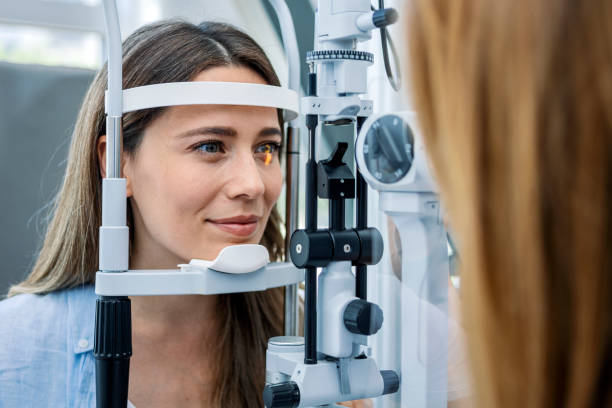
Personalized Eye Care Services Tailored to Your Unique Vision Needs
When it comes to eye health, a one-size-fits-all approach often falls short. Every individual has unique vision requirements and lifestyle demands that influence their eye care needs. Optometrists who focus on personalized eye care services offer a tailored approach that considers your specific circumstances, ensuring optimal visual health and comfort.
Benefits of Personalized Eye Care
- Comprehensive Assessments: Personalized services begin with a thorough examination to evaluate not just vision clarity but also overall eye health.
- Tailored Treatment Plans: Based on the assessment, your optometrist develops a treatment plan that fits your unique needs.
- Lifestyle Consideration: Whether you work long hours at a computer or spend time outdoors, personalized solutions address specific environmental demands.
- Proactive Prevention: By understanding genetic factors or pre-existing conditions, individualized care supports early detection and prevention of potential issues.
Commonly Included Services
| Service | Purpose |
| Vision Testing | Evaluate clarity and accuracy in near and distant vision |
| Customized Lens Prescriptions | Correct refractive errors tailored to individual requirements |
| Dry Eye Management | Focused solutions for chronic dryness or irritation |
| Digital Eye Strain Solutions | Specialized lenses or exercises for frequent screen users |
| Pediatric Eye Care | Age-specific testing for children’s unique developmental needs |
| Geriatric Vision Support | Address age-related conditions like cataracts or macular degeneration |
These varied services ensure patients receive focused attention no matter their age group or vision concerns.
Why Individual Care Matters for Long-Term Vision
- Athletes: Custom-fit sports eyewear can enhance performance while protecting against injuries.
- Children: Early detection of issues like myopia (nearsightedness) can slow progression through techniques such as orthokeratology.
- Seniors: Routine monitoring for age-related changes ensures timely treatment of conditions like glaucoma.
This level of personalization not only improves immediate visual comfort but also promotes better outcomes over time by addressing potential future risks.
Steps to Get Started with Personalized Optometry Services
- Schedule an Initial Consultation: Book an appointment with an optometrist who specializes in tailored care.
- Discuss Your Lifestyle Needs & Concerns: Share details about your daily routine, hobbies, and family medical history.
- Understand Available Options: Learn about the range of treatments and technologies available for your specific needs.
- Commit to Regular Check-Ups: Maintain ongoing evaluations to monitor changes in vision and overall eye health.
By investing in personalized eye care services, you take an active role in preserving your eyesight while enhancing day-to-day quality of life through targeted solutions designed just for you.
The Importance of Handpicked Eyewear for Style and Functionality
Selecting the right eyewear is about more than just correcting vision problems. It combines personal style, comfort, and functionality to enhance both your appearance and daily life. Handpicked eyewear goes beyond generic solutions by offering tailored choices that suit your vision requirements, facial structure, and aesthetic preferences. Let’s explore why investing in handpicked eyewear is essential.
Benefits of Handpicked Eyewear
- Handpicked eyewear ensures a proper fit specific to your face shape. This reduces pressure points around your nose and ears for maximum comfort during extended wear.
- Frames are selected based on factors such as bridge width, temple length, and frame curvature to guarantee a secure fit.
- High-quality lenses can improve clarity while addressing refractive errors such as nearsightedness, farsightedness, or astigmatism.
- Specialized coatings like anti-reflective or blue-light blocking options enhance lens performance for specific needs like screen time or night driving.
- Premium materials such as titanium or acetate ensure that frames last longer while maintaining their aesthetic appeal.
- High-grade lenses are scratch-resistant and designed to endure daily wear.
- Styles range from classic to contemporary designs that align with personal fashion tastes.
- With handpicked eyewear, you have access to unique frame shapes, colors, and textures not typically found in mass-produced options.
Key Factors When Choosing Handpicked Eyewear
| Factor | Considerations |
| Face Shape | Choose frames that complement the natural contours of your face (e.g., round faces suit angular frames). |
| Lens Type | Determine whether single-vision lenses, bifocals, or progressives are ideal for your prescription. |
| Lifestyle Needs | Frames should align with activities like sports (durable materials) or office work (lightweight designs). |
| Brand Preferences | Opt for trusted brands known for quality craftsmanship and innovative designs. |
Why Your Optometrist’s Expertise Matters
An optometrist plays a critical role in helping you select the perfect eyewear. During the process:
– They assess your visual needs based on a thorough eye examination. – They recommend lenses with coatings suited to lifestyle demands (e.g., UV protection or photochromic lenses). – They guide you toward frames that balance style with practicality without compromising vision correction.
Combining Style with Functionality
Handpicked eyewear empowers individuals by merging vision care with fashion-forward designs. By investing in high-quality frames and lenses tailored to your needs:
– You project confidence through stylish accessories that reflect your personality. – You enjoy everyday activities without discomfort caused by poorly fitting frames or subpar lens quality.
Ultimately, prioritizing handpicked eyewear ensures optimal visual health while allowing you to express yourself through thoughtfully chosen designs.
Supporting Local Optometrists and Strengthening Community Health
Local optometrists play a vital role in maintaining not only individual eye health but also the overall well-being of communities. Choosing to support local eye care providers can bring numerous benefits, from fostering personal connections to promoting community-driven healthcare initiatives. Below, we explore how supporting local optometrists strengthens both individual health and community ties.
Enhanced Personal Care
Local optometrists often provide more personalized care than larger, corporate chain practices. This can lead to stronger patient-provider relationships and better outcomes for your vision health.
– Accessible Communication: Being part of the local community means optometrists are more approachable and focused on building trust with patients over time.
– Customized Treatment Plans: Local providers take time to understand your unique needs, medical history, and lifestyle when recommending treatments or eyewear solutions.
– Continuity of Care: With fewer staff turnovers compared to large organizations, you’re likely to see the same optometrist for years, ensuring consistency in your care.
Economic Impact on the Community
Supporting local businesses like independent optometry practices has a direct positive impact on your neighborhood’s economy.
| Benefit | Impact | |————————|—————————————————–| | Job Creation | Local practices employ residents, creating steady jobs within the community. | | Revenue Circulation | Money spent locally tends to stay within the area, supporting other nearby businesses. | | Support for Schools & Programs | Many local optometrists sponsor school events or contribute to public health programs in their towns. |
By choosing a local provider for your eye care needs, you’re investing in the growth and sustainability of your area.
Contributions to Public Health
Local optometrists often go beyond clinical services by participating in initiatives that enhance public health awareness. – Vision Screenings: Many participate in free or low-cost vision checks at schools or community centers. – Health Education: They educate communities about preventative eye care measures, reducing risks of serious conditions like glaucoma or macular degeneration. – Charity Work: Independent practices may organize charitable efforts such as eyewear donations for underserved populations.
These contributions create healthier communities by addressing both immediate and long-term vision health challenges.
Strengthening Community Ties
Choosing a neighborhood practice fosters stronger relationships between patients and providers while building trust within the community. – Supportive Network: Optometrists who know their patients personally are more likely to provide empathetic and tailored care. – Collaboration with Other Professionals: Local doctors often partner with other small businesses or healthcare providers in the area to ensure comprehensive wellness services. – Community Identity: By supporting local professionals instead of large chains, residents help preserve their town’s unique identity.
Supporting a local optometrist is about more than just receiving quality eye care—it’s about contributing positively to your community’s culture, economy, and overall health outcomes. Making this choice is an investment that benefits both individuals and neighborhoods alike.
- How a Houston TX Eye Doctor Can Help Maintain Your Vision And Eye Health
- How a Houston TX Eye Doctor Emphasizes The Importance Of Regular Eye Exams To Protect Your Vision
- 6 Reasons to Visit a Houston TX Eye Doctor for Annual Eye Exams
- How a Houston TX Optometrist Can Improve Your Eye Health
- Key Signs You Should Visit an Optometry Houston TX Specialist Immediately
- Choosing a Houston TX Optometrist for Personalized Vision Care
- 5 Sure-Fire Methods to Differentiate Your Optometry Practice in Houston TX and Attract New Patients
- How to Choose the Best Houston TX Eye Doctor for Optimal Eye Care
- Choosing the Right Eye Clinic in Houston TX: Optometrist vs. Ophthalmologist