
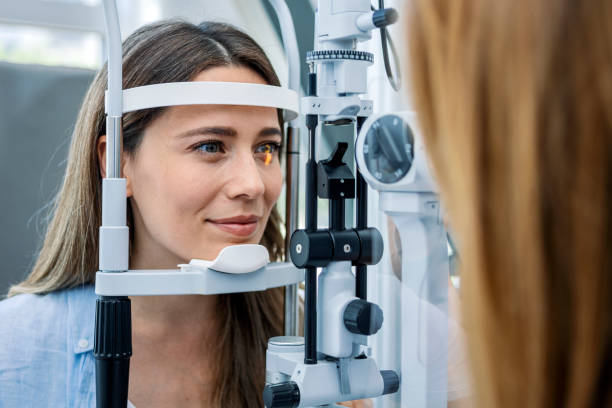
Sudden Vision Changes
If you experience any sudden changes in your vision, such as blurred or distorted vision, it’s essential to see an eye doctor immediately. Common issues include:
– Trouble focusing on objects.
– Difficulty seeing fine details or reading small text.
– Experiencing double vision (diplopia).
These symptoms could be linked to underlying conditions such as retinal detachment, cataracts, or even neurological disorders.
Persistent Eye Pain or Discomfort
Occasional eye strain is common, especially after staring at screens for extended periods of time. However, persistent pain or discomfort is not normal and warrants immediate attention. Possible causes may include:
– Corneal abrasions or scratches on the surface of the eye.
– Glaucoma-related pressure buildup in the eyes.
– Infections like conjunctivitis (pink eye).
Eye pain should never be ignored because it often signals more serious problems.
Frequent Flashes of Light or Floaters
The sudden appearance of floaters (small shapes drifting across your field of vision) combined with flashes of light could point to a retinal tear or detachment. A delayed response in addressing these symptoms may lead to permanent vision loss.
Redness and Swelling That Persist
Temporary redness due to allergies or irritants is usually harmless. However, long-lasting redness accompanied by swelling might indicate conditions such as:
– Uveitis (inflammation of the uvea).
– Dry eye syndrome caused by tear production issues.
– Eye infections requiring antibiotic treatment.
Sensitivity to Light (Photophobia)
A heightened sensitivity to light can disrupt daily activities and may signal issues like corneal inflammation, migraines related to ocular health, or even serious infections.
| Symptom | Possible Cause | Recommended Action |
| Blurred Vision | Cataracts/Retinal Detachment | Immediate evaluation by an eye doctor |
| Floaters & Flashes | Retinal Tear/Detachment | Emergency care |
| Persistent Redness | Infections/Uveitis/Dry Eyes | Professional diagnosis |
Trouble Seeing at Night
If you notice challenges with night driving or navigating dimly lit areas, it could be an early indicator of cataracts, vitamin A deficiency, or other progressive conditions affecting your ability to see in low-light environments.
Scheduling timely appointments with your eye doctor when experiencing any of these symptoms ensures early detection and management of potentially serious eye conditions while preserving your long-term vision health. Always prioritize professional guidance over self-diagnosis when it comes to matters related to your eyes and vision clarity.
Top Reasons to Visit a Houston TX Eye Doctor for Routine Eye Exams
Taking care of your eyes is an essential aspect of maintaining overall health. Routine eye exams are not just for individuals with glasses or contact lenses—they are important for everyone. Regular check-ups with an eye doctor can help detect potential issues early, ensure clear vision, and support long-term eye health.
Comprehensive Eye Care at the Leading Eye Clinic Houston TX
- Glaucoma
Often referred to as the “silent thief of sight,” glaucoma progresses without symptoms until it causes vision loss. Eye pressure tests during exams can detect it early. - Cataracts
Cataracts develop gradually and may not affect vision immediately. Early detection ensures timely intervention to restore clarity as needed. - Age-related Macular Degeneration (AMD)
AMD is a leading cause of central vision loss in older adults, and its early signs can be spotted during a comprehensive exam. - Diabetic Retinopathy
For individuals with diabetes, regular eye exams are critical to prevent retinopathy, which can lead to blindness if untreated.
Protecting Vision Health Across All Ages
| Age Group | Benefits of Routine Exams | Frequency Recommendation |
| Children | Early detection of visual impairments like myopia | Once between ages 3-5; annually after starting school |
| Adults (20s-30s) | Monitoring for refractive changes or digital strain | Every two years or as needed |
| Adults (40s) | Screening for presbyopia and other age-related changes | Every one to two years |
| Seniors (60+) | Detecting cataracts, glaucoma, and macular degeneration | Annually or more frequently if advised |
Preventing Digital Eye Strain
- Proper screen distance and lighting adjustments.
- Computer eyewear designed to reduce glare and blue light exposure.
- Break techniques such as the 20-20-20 rule: Look at something 20 feet away every 20 minutes for at least 20 seconds.
Maintaining Overall Health Awareness
- High blood pressure may cause damage to blood vessels in the retina.
- Diabetes-related changes in the eyes may indicate uncontrolled blood sugar levels.
- Autoimmune conditions like lupus or rheumatoid arthritis also present signs in ocular tissues.
Routine exams serve as an important window into systemic health concerns that might otherwise go unnoticed.
Final Thoughts on Prioritizing Routine Exams
Scheduling regular visits with your eye doctor isn’t just about maintaining clear sight—it’s about safeguarding your overall well-being. Whether you’re managing an existing condition or aiming for preventive care, these check-ups form a cornerstone of healthy living throughout all stages of life. Developing a consistent habit of visiting your eye specialist ensures that you’re always one step ahead when it comes to protecting your most valuable sense—vision.
Understanding Vision Changes and Knowing When to Consult an Eye Doctor
Vision is one of the most vital senses, and understanding changes in your eyesight can help you maintain healthy eyes and prevent serious conditions. Knowing when to consult an eye doctor is essential for preserving your vision and addressing potential issues early. Below are key aspects to consider regarding vision changes and when professional evaluation is necessary.
Common Vision Changes That May Occur
- Blurriness: Difficulty focusing on objects, whether near or far, may indicate a refractive error such as nearsightedness, farsightedness, or astigmatism.
- Difficulty Seeing at Night: Struggling with night vision could be a sign of cataracts or vitamin deficiencies.
- Floaters or Flashes: Sudden floaters (small shapes that drift across your visual field) or flashes of light may point to retinal detachment or other serious conditions.
- Double Vision: Seeing two images instead of one could indicate muscle imbalance, nerve issues, or other medical conditions requiring immediate care.
- Loss of Peripheral Vision: Narrowing of your field of view might be related to glaucoma—a condition that demands prompt treatment to prevent further damage.
When Should You See an Eye Doctor?
- Sudden Changes in Vision Clarity
If your eyesight suddenly becomes blurry or unfocused without warning, this could signal serious problems like retinal detachment or optic nerve issues. - Eye Pain or Discomfort
Persistent pain in the eyes—especially if accompanied by redness or swelling—can indicate infections such as conjunctivitis (pink eye) or more severe complications like uveitis. - Frequent Squinting or Straining to See Clearly
If you find yourself squinting regularly to view text on screens, road signs, or distant objects clearly, it’s time for a comprehensive examination. - Light Sensitivity
Increased sensitivity to light (photophobia) can be linked to migraines, corneal abrasions, inflammation inside the eye (iritis), and other underlying causes requiring medical attention. - Gradual Worsening Vision Over Time
If you notice a consistent decline in how well you see over weeks or months—even if it seems minor—it’s wise to consult a specialist before the issue develops further.
Preventive Care: Importance of Regular Eye Exams
| Frequency | Recommended For |
| Every 1–2 years | Adults without any known medical history |
| Annually | Individuals with chronic illnesses like diabetes |
| Biannually | Children as their eyesight develops rapidly |
These appointments enable early diagnosis and treatment options for common conditions such as glaucoma and macular degeneration before they compromise your quality of life.
Final Thoughts
Being proactive about identifying vision changes and seeking professional advice can safeguard one of life’s most precious gifts—your ability to see clearly. Always stay attentive to changes in your eyesight and prioritize regular contact with a trusted eye care provider for optimal health outcomes.

How Frequent Headaches Can Be a Sign to Visit Your Eye Specialist
Headaches are a common ailment experienced by many, but they can sometimes signal underlying eye issues. Understanding the connection between frequent headaches and vision problems can help you determine when it’s time to consult an eye specialist. Below, we’ll explore how headaches relate to your eye health, common causes, and what an eye doctor can do to address these concerns.
The Link Between Headaches and Vision Problems
Frequent headaches are often triggered by visual strain or other ocular conditions. Here’s how:
– Digital Eye Strain: Prolonged use of computers, smartphones, or tablets can lead to eye strain, which may result in tension headaches.
– Uncorrected Vision Issues: Untreated refractive errors like nearsightedness, farsightedness, or astigmatism may cause your eyes to work harder than necessary, leading to discomfort and headaches.
– Eye Muscle Imbalance: Conditions such as strabismus (misalignment of the eyes) or convergence insufficiency (difficulty focusing on nearby objects) can cause strain that manifests as headaches.
– Glaucoma or Ocular Hypertension: Certain serious eye conditions like glaucoma may present symptoms such as recurring pain around the eyes coupled with headaches.
Signs Your Headache May Be Related to Eye Problems
While not all headaches stem from vision issues, specific patterns indicate a need for an eye exam:
1. Persistent tension around the temples or behind the eyes after reading or screen time.
2. Headaches accompanied by blurry vision or difficulty focusing on objects near or far away. 3. Increased sensitivity to light (photophobia) alongside headache episodes. 4. Pain that worsens after prolonged tasks requiring intense concentration (e.g., driving at night or working on detailed crafts).
What Your Eye Doctor Will Evaluate
When you visit an eye specialist for frequent headaches, they will perform a thorough assessment that might include:
| Evaluation Type | Purpose |
|————————-|——————————————-|
| Visual acuity test | Determines if uncorrected vision is causing strain |
| Refraction assessment | Identifies refractive errors like myopia or hyperopia |
| Eye alignment check | Examines muscle coordination and binocular function |
| Intraocular pressure test | Screens for conditions such as glaucoma |
| Digital Imaging | Assesses retinal health and looks for abnormalities |
By diagnosing any underlying issue early on, your doctor can recommend corrective measures such as prescription glasses/lenses, lifestyle adjustments like screen breaks during work hours—or even advanced treatments for more severe disorders.
Preventative Steps You Can Take
To minimize headache-inducing eye strain before scheduling an appointment: – Follow the 20-20-20 rule: Every 20 minutes of screen time, look at something 20 feet away for at least 20 seconds. – Use proper lighting while working—neither too dim nor too bright. – Position digital screens slightly below your line of sight to reduce glare. – Wear blue-light-blocking lenses if you spend long hours in front of screens.
If preventative measures fail and frequent headaches persist despite healthy habits, it’s crucial not to ignore the symptoms—your comfort and long-term vision health depend on timely professional care.
When to Visit a Houston TX Optometrist for Urgent Eye Symptoms
Taking care of your eye health is essential for preserving vision and preventing long-term complications. While some eye-related discomforts may resolve on their own, certain symptoms require immediate attention from an eye doctor. Ignoring these signs could lead to serious issues, including permanent damage to your eyesight. Below, we discuss key symptoms that should prompt you to schedule an urgent visit.
Sudden Vision Loss or Blurred Vision
A sudden loss of vision, whether partial or complete, is a red flag requiring prompt medical evaluation. This can occur in one or both eyes and may be accompanied by blurred vision that doesn’t improve with blinking or rest. Common causes include:
– Retinal Detachment: A medical emergency where the retina separates from its supportive tissue.
– Eye Stroke: Blockage of blood flow in the retina leading to potential permanent damage.
– Optic Neuritis: Inflammation of the optic nerve often linked to autoimmune conditions like multiple sclerosis.
Severe Eye Pain
Eye pain that is intense and persistent should never be ignored, especially if it interferes with daily activities. Potential causes include:
– Acute Angle-Closure Glaucoma: A rapid increase in intraocular pressure that can result in vision loss without timely treatment.
– Corneal Abrasion or Ulcer: Scratches or open sores on the cornea often cause significant discomfort and sensitivity to light. – Infections such as keratitis (corneal inflammation) could also lead to severe pain.
Light Sensitivity (Photophobia)
If you experience extreme sensitivity to light along with other symptoms like redness or tearing, it might indicate conditions such as: – Migraines affecting your visual pathways. – Infections like conjunctivitis (pink eye) or uveitis (inflammation inside the eye).
Persistent Redness and Swelling
While minor irritation may cause temporary redness, chronic swelling and discoloration around your eyes demand further investigation. Potential underlying issues may include:
1. Allergic reactions leading to repeated inflammation. 2. Severe infections requiring prescription medication. 3. Autoimmune disorders manifesting through ocular symptoms.
| Symptom | Possible Condition | Urgency Level |
| Sudden Vision Loss | Retinal Detachment | Emergency |
| Severe Eye Pain | Acute Glaucoma / Corneal Ulcer | Emergency |
| Persistent Redness | Uveitis / Conjunctivitis | High Priority |
Floaters or Flashes of Light
Seeing flashes of light or an increased number of floaters could signify vitreous detachment or retinal tears—conditions that necessitate immediate evaluation by a specialist.
When in Doubt, Seek Expert Advice
If you’re unsure whether a symptom requires emergency care, it’s always better to err on the side of caution by consulting an eye doctor promptly for a professional evaluation. Early diagnosis and treatment can make all the difference between recovery and chronic complications when it comes to eye health.
- How a Houston TX Eye Doctor Can Help Maintain Your Vision And Eye Health
- How a Houston TX Eye Doctor Emphasizes The Importance Of Regular Eye Exams To Protect Your Vision
- 6 Reasons to Visit a Houston TX Eye Doctor for Annual Eye Exams
- How a Houston TX Optometrist Can Improve Your Eye Health
- Key Signs You Should Visit an Optometry Houston TX Specialist Immediately
- Choosing a Houston TX Optometrist for Personalized Vision Care
- 5 Sure-Fire Methods to Differentiate Your Optometry Practice in Houston TX and Attract New Patients
- How to Choose the Best Houston TX Eye Doctor for Optimal Eye Care
- Choosing the Right Eye Clinic in Houston TX: Optometrist vs. Ophthalmologist