

Maintaining healthy vision and overall eye health is critical for quality of life. Annual eye exams play a significant role in ensuring your eyes remain healthy while addressing any potential concerns early. Below are six key reasons why these exams are essential.
- Glaucoma:Often referred to as the “silent thief of sight,” glaucoma can lead to irreversible vision loss if not detected early.
- Macular Degeneration:Early diagnosis can slow progression and prevent severe vision impairment.
- Diabetic Retinopathy:Patients with diabetes benefit from annual exams to monitor changes in the retina caused by elevated blood sugar levels.
Your vision evolves over time due to factors like age, screen exposure, or environmental changes. An annual exam ensures that your prescription for glasses or contact lenses stays accurate.
Signs you may need updated prescriptions:– Frequent headaches. – Difficulty reading small print. – Struggling with night vision.
Eye doctors conduct more than just standard tests for visual acuity (the ability to see clearly).
| Test Type | Purpose |
| Visual Acuity Test | Measures sharpness of vision |
| Tonometry | Assesses intraocular pressure (glaucoma risk) |
| Retinal Examination | Detects abnormalities in the retina |
These detailed assessments provide a complete picture of your overall eye health.
Your eyes often reflect broader systemic health issues like hypertension or diabetes before other symptoms appear.
- High blood pressure can cause changes in the blood vessels within the retina.
- Diabetes may damage small retinal blood vessels, leading to diabetic retinopathy.
- Autoimmune disorders can result in inflammation visible during an eye exam.
An annual visit helps detect these conditions early so proper medical treatment can begin.
In today’s digital age, prolonged use of screens often leads to computer vision syndrome (CVS), also known as digital eye strain.
Symptoms include:– Blurred vision. – Dry eyes. – Neck and shoulder pain.
During an annual checkup, your doctor can recommend strategies such as blue light-blocking lenses or suggest adjustments to your workspace ergonomics to alleviate strain.
Preventative care through regular visits promotes long-term eye health by addressing minor issues before they become major problems. Protecting your eyesight now reduces the likelihood of developing severe complications later in life.
Tips for preserving lifelong healthy vision:1. Schedule yearly exams even if no symptoms are present. 2. Wear UV-protective sunglasses when outdoors. 3. Maintain a balanced diet rich in omega-3 fatty acids and vitamins A and C.
Annual eye exams are not simply about updating glasses but are crucial tools for maintaining both ocular health and overall well-being throughout your life journey.
How a Houston TX optometrist can help with early detection to prevent common eye diseases
Early detection plays a critical role in identifying and managing common eye diseases that can lead to long-term vision problems or even permanent blindness. Here’s why early detection is vital and how it can protect your vision for years to come.
Common Eye Diseases That Benefit from Early Detection
- Often referred to as the “silent thief of sight,” glaucoma has no early warning signs.
- Regular eye pressure tests and optic nerve evaluations can catch this condition early, preventing vision loss through timely treatment.
- AMD can impair central vision, making daily activities like reading and driving difficult.
- Early detection allows for lifestyle adjustments, dietary changes, or medical interventions to slow its progression.
- Cataracts develop slowly but can eventually cause significant clouding of the lens.
- Detecting cataracts early ensures appropriate monitoring and planning for corrective surgery when necessary.
- A complication of diabetes, this condition damages the retina over time without presenting symptoms initially.
- Annual eye exams help identify signs of retinopathy before severe damage occurs.
- While not typically sight-threatening, untreated dry eye can lead to chronic discomfort or complications such as corneal damage.
- Early diagnosis enables effective management through medications or lifestyle changes.
| Eye Condition | Possible Consequences if Undetected | Detection Method |
| Glaucoma | Peripheral vision loss, blindness | Eye pressure test, optic nerve exam |
| Diabetic Retinopathy | Blurred vision, retinal damage | Dilated retinal exam |
| Macular Degeneration | Central vision impairment | Retinal imaging |
| Cataracts | Gradual clouded or blurred vision | Slit-lamp exam |
Benefits of Early Detection in Eye Health
- Preservation of Vision:Catching eye diseases early prevents irreversible damage and preserves your eyesight.
- Cost-Effective Care:Treating an issue in its initial stages is often more affordable than addressing advanced complications.
- Improved Quality of Life:Diagnosing and managing conditions like AMD or cataracts early helps you maintain independence in daily activities.
- Proactive Management:Professionals may recommend medications, surgeries, or lifestyle modifications tailored to your specific needs.
Signs You Shouldn’t Ignore Between Exams
While annual exams are important for prevention, certain symptoms might require more immediate attention: – Sudden onset of blurry vision – Persistent floaters or flashes – Loss of peripheral vision – Pain or redness in the eyes
If you experience any of these symptoms, consult an eye care professional promptly for evaluation.
Next Steps Toward Protecting Your Vision
Scheduling routine comprehensive eye exams is one of the most proactive steps you can take for your health. Beyond addressing visual acuity with glasses or contact lenses, these exams provide invaluable insights into potential risks lurking beneath the surface—both within your eyes and overall health indicators discovered through them (such as high blood pressure or diabetes). Achieving early detection means giving yourself the best possible chance at maintaining clear sight well into old age while avoiding preventable complications along the way.
How Optometry Houston TX Services Can Monitor Your Overall Health Through Vision
Eye exams are more than just a check-up for your vision. They serve as a critical window into your overall health, offering insights into systemic conditions that may not yet show noticeable symptoms. Regular eye exams can help detect various health issues early, allowing you to take timely action and prevent further complications.
Detecting Chronic Diseases
Eye exams can reveal early signs of chronic illnesses that may otherwise go unnoticed.
- Diabetes:Diabetic retinopathy, a condition where high blood sugar damages the blood vessels in the retina, can be detected during an eye exam even before diabetes is diagnosed.
- Hypertension (High Blood Pressure):Swelling or changes in the blood vessels of the eyes may indicate high blood pressure.
- Cholesterol Issues:Deposits in the cornea or abnormalities in retinal blood flow can signal elevated cholesterol levels.
Identifying Neurological Conditions
The eyes are closely connected to the brain, making them a valuable tool for detecting neurological problems.
- Multiple Sclerosis (MS):Inflammation of the optic nerve, known as optic neuritis, is often one of the first symptoms of MS.
- Brain Tumors:Changes in vision or swelling at the back of the eye (papilledema) could suggest increased pressure inside the skull.
- Stroke Warning Signs:Blockages or damage to retinal arteries might indicate an increased risk for stroke.
Spotting Autoimmune Disorders
- Rheumatoid Arthritis:Chronic inflammation associated with rheumatoid arthritis can manifest as dry eye syndrome or uveitis (inflammation inside the eye).
- Lupus:Eye inflammation and other ocular symptoms may signal this autoimmune condition.
Comprehensive Eye Exams at a Leading Eye Clinic Houston TX
During a regular visit to an optometrist or ophthalmologist, several tests are performed that provide insights into both your vision and overall health.
| Test Name | Purpose |
| Visual Acuity Test | Measures how well you see at various distances using an eye chart. |
| Retinal Examination | Checks for abnormalities in the retina that may indicate underlying diseases like diabetes or hypertension. |
| Eye Pressure Test | Screens for glaucoma by measuring intraocular pressure. |
| Slit-Lamp Examination | Allows detailed inspection of structures at the front and back of your eyes to detect infections, cataracts, or signs of systemic disease. |
Benefits Beyond Vision Correction
Regular eye check-ups don’t just stop at correcting blurry vision; they also play an integral role in maintaining long-term wellness by fostering early detection and preventive care.
- Early Disease Management:Timely diagnosis allows you to manage conditions like diabetes and hypertension before they progress into severe complications.
- Improved Life Quality:By identifying potential risks early on, you not only protect your eyesight but also improve overall well-being.
- Customized Health Plans:Anomalies detected during routine exams enable physicians to create personalized treatment strategies tailored to your needs.
Scheduling routine eye exams is essential not just for maintaining clear vision but also for gaining insight into your broader health picture. By addressing these interconnected aspects proactively, you’re investing in both short-term and long-term wellness outcomes.
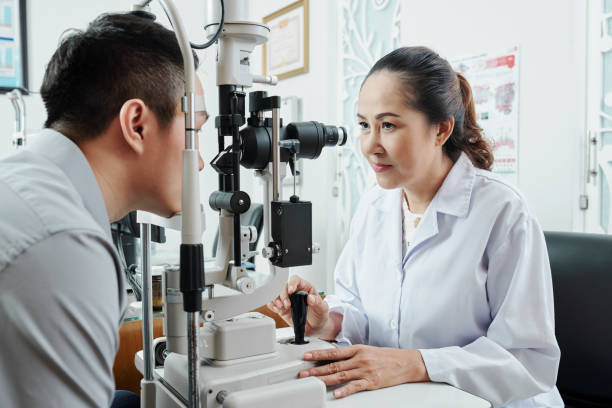
How Regular Eye Exams Help Monitor Your Overall Health Through Your Vision
Regular eye exams are not just about maintaining good vision—they also play a critical role in monitoring your overall health. The eyes provide a unique window into your body, often revealing early signs of systemic health conditions. By visiting an eye doctor routinely, you can gain invaluable insights into both your eye health and general well-being.
Early Detection of Systemic Health Issues
Eye exams are capable of uncovering early indicators of various health conditions before symptoms become evident.
- Diabetes: Changes in blood vessels in the retina can signal diabetic retinopathy, which is often detected during comprehensive eye exams.
- Hypertension (High Blood Pressure): Swelling or narrowing of blood vessels within the eyes can indicate elevated blood pressure levels.
- High Cholesterol: Deposits in the blood vessels or corneal arcus (a white ring around the cornea) may be signs of high cholesterol.
- Autoimmune Conditions: Inflammatory markers detected during an eye examination can point toward autoimmune diseases such as lupus or rheumatoid arthritis.
When identified early through an eye exam, these conditions may be managed more effectively, preventing further complications.
Eye Health Indicators and Your Body’s Wellness
An eye doctor evaluates several aspects during a routine exam that reflect your overall health.
- Retinal Examination: The retina provides clear insights into the condition of your blood vessels and nerves.
- Pupil Responses: Abnormal pupil responses may indicate neurological issues or underlying brain conditions.
- Optic Nerve Assessment: Swelling in the optic nerve could signify increased intracranial pressure or other neurological concerns.
By identifying anomalies in these areas, your optometrist or ophthalmologist can recommend appropriate action to address potential issues.
Benefits for Different Age Groups
| Age Group | Potential Benefits |
| Children (0–18) | Early detection of vision problems like myopia or amblyopia. |
| Adults (19–40) | Monitoring for changes due to lifestyle factors like screen use. |
| Seniors (40+) | Screening for age-related diseases such as glaucoma and macular degeneration. |
Tips to Maximize the Effectiveness of Eye Exams
- Share a complete medical history with your optometrist, including any family history of chronic diseases.
- Inform the doctor about any medications you’re taking that could impact vision.
- Mention current symptoms such as headaches, blurry vision, or sensitivity to light.
- Follow up regularly based on professional recommendations—typically every 1–2 years depending on age and risk factors.
Routine eye care is an essential tool for holistic health monitoring. By scheduling consistent appointments with an eye doctor, you not only safeguard your vision but also enhance awareness about other potential health concerns affecting your body.
Why Annual Eye Exams Are Crucial for Supporting Children’s Vision and Development
Children’s vision plays a pivotal role in their overall development, from academic performance to social interactions and physical activities. Comprehensive eye exams conducted annually are essential to ensure their visual health and to identify potential issues early. Below is a detailed exploration of why regular eye doctor visits are vital for children.
Detecting Vision Problems Early
Children may not always realize when they are experiencing vision issues, as they assume what they see is normal.
- Nearsightedness (Myopia): Difficulty seeing objects at a distance.
- Farsightedness (Hyperopia): Challenges focusing on close objects.
- Astigmatism: Blurred vision due to the curvature of the cornea or lens.
- Amblyopia (Lazy Eye): Reduced vision in one eye due to abnormal visual development.
- Strabismus (Crossed Eyes): Misalignment of the eyes that can affect depth perception and coordination.
Early detection allows for timely interventions such as corrective lenses, patch therapy, or further medical treatment.
Impact on Academic Performance
Clear vision is integral to a child’s ability to learn and succeed in school. Tasks like reading from a whiteboard, focusing on printed text, or participating in interactive lessons require healthy eyesight.
- Difficulty concentrating during class.
- Poor handwriting or trouble copying assignments from the board.
- A decline in academic confidence due to struggling with visually demanding tasks.
Regular check-ups ensure children have the vision tools they need for success.
Monitoring Eye Development Over Time
A child’s eyes grow and change rapidly during early years and adolescence. Regular exams allow eye doctors to track these changes and adapt treatments accordingly when needed, such as adjusting prescription lenses or monitoring progressive conditions like myopia management.
| Age Group | Recommended Frequency of Exams | Common Concerns |
| Infants (6–12 months) | Once during this period | Early signs of developmental abnormalities |
| Preschoolers (3–5 years) | At least once | Eye alignment, amblyopia |
| School-aged children | Annually | Myopia progression, changes in focus needs |
Preventing Long-Term Damage
Undiagnosed issues left untreated during childhood can lead to permanent damage over time that persists into adulthood.
- Amblyopia becomes harder to treat after the age of 7–9.
- Untreated strabismus may result in double vision or depth perception deficits.
Annual exams serve as preventive measures against long-term complications by addressing concerns before they worsen.
Supporting Overall Health Beyond Vision
Eye exams also provide insight into broader health indicators since certain systemic conditions, like diabetes or high blood pressure, can initially present symptoms through the eyes—even at an early age.
Tips for Parents
- Schedule appointments before school begins each year.
- Ask if your child has noticed any changes in their vision.
- Share relevant family medical history with their optometrist.
- Encourage open communication about any discomfort with wearing glasses or contact lenses.
By prioritizing professional care through regular checkups, parents can empower their kids with clear sight while fostering long-term visual health necessary for thriving at every stage of life’s journey.
Preventing Long-Term Vision Problems with Professional Eye Doctor Care
Taking proactive steps to care for your vision is essential for maintaining eye health and preventing long-term complications. Regular visits to a professional eye doctor can help identify potential problems early and provide tailored solutions to ensure optimal vision.
Early Detection of Eye Diseases
Many serious eye conditions develop gradually and without noticeable symptoms until significant damage has occurred.Glaucoma: Often called the “silent thief of sight,” glaucoma progresses without warning signs but can lead to permanent vision loss if untreated.Macular Degeneration: Regular screenings can detect this age-related condition in its early stages, allowing for interventions that may slow its progression.Diabetic Retinopathy: Managing diabetes-related eye complications requires consistent monitoring by a professional.
Personalized Treatment Plans
Every individual’s eyes are different, and a one-size-fits-all approach will not work for everyone. Eye doctors provide customized care based on factors such as: – Family history of eye conditions – Current health status (e. g. , diabetes, hypertension) – Lifestyle habits (e. g.
By tailoring treatment plans, eye doctors help protect against long-term complications and preserve visual clarity.
Protecting Vision from Age-Related Decline
As we age, our eyes naturally undergo changes that may affect how we see the world: | Age Range | Common Vision Challenges | Professional Care Benefits | |—————–|——————————————|——————————————| | 40–50 years | Presbyopia (difficulty focusing on close objects) | Prescription glasses or contact lenses | | 60+ years | Cataracts, macular degeneration | Surgical options or low-vision aids |
Professional evaluation ensures timely diagnosis and treatment for these age-related changes.
Education on Preventative Measures
A professional eye doctor not only treats existing issues but also educates patients on how to maintain healthy vision. This includes guidance on: 1. Proper use of corrective lenses. 2. Nutritional advice (e. g. , consuming foods rich in antioxidants like leafy greens). 3. Lifestyle adjustments—such as wearing UV-protective sunglasses outdoors.
Monitoring Overall Health Through Vision
The eyes often serve as windows into broader health concerns.
Addressing these underlying issues early can prevent both vision problems and other serious health consequences.
Building a Long-Term Relationship with Your Eye Doctor
Consistency in seeing the same professional over time allows them to track changes in your vision and overall eye health effectively. They’ll maintain detailed records that offer valuable insights into your visual history, improving the quality of care you receive.
Prioritizing regular visits to an experienced eye doctor helps prevent long-term vision impairment by addressing potential risks before they escalate into serious issues. These preventative measures ensure that your eyesight remains sharp and healthy throughout your life.
- How a Houston TX Eye Doctor Can Help Maintain Your Vision And Eye Health
- How a Houston TX Eye Doctor Emphasizes The Importance Of Regular Eye Exams To Protect Your Vision
- 6 Reasons to Visit a Houston TX Eye Doctor for Annual Eye Exams
- How a Houston TX Optometrist Can Improve Your Eye Health
- Key Signs You Should Visit an Optometry Houston TX Specialist Immediately
- Choosing a Houston TX Optometrist for Personalized Vision Care
- 5 Sure-Fire Methods to Differentiate Your Optometry Practice in Houston TX and Attract New Patients
- How to Choose the Best Houston TX Eye Doctor for Optimal Eye Care
- Choosing the Right Eye Clinic in Houston TX: Optometrist vs. Ophthalmologist