How a Houston TX Eye Doctor Emphasizes The Importance Of Regular Eye Exams To Protect Your Vision
 Denise Culver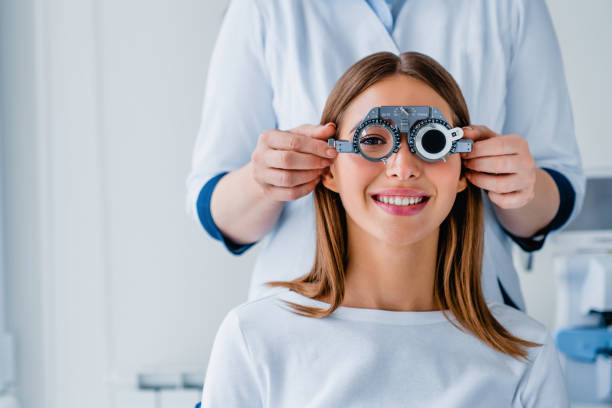
Maintaining optimal vision is crucial for quality of life, yet many people neglect regular eye exams. Routine eye exams do more than check for changes in your prescription—they play a key role in preventing vision loss and detecting underlying health issues. Here’s why prioritizing regular eye exams is essential.
The Role of Eye Exams in Preventing Vision Loss
Eye conditions often develop silently, meaning you may not notice symptoms until significant damage has occurred.
– Refractive Errors: Conditions like nearsightedness, farsightedness, and astigmatism can be diagnosed and corrected with glasses or contact lenses.
– Glaucoma: Often called the “silent thief of sight,” glaucoma can lead to permanent blindness if left untreated but can be managed effectively with early detection.Cataracts: Early identification allows for monitoring and timely treatment through surgery if necessary.
Age-Related Macular Degeneration (AMD): Vision loss from AMD can often be slowed with medical interventions when caught early.
By identifying these conditions at an early stage, your eye doctor can help preserve your vision over time.
How Eye Exams Protect Overall Health
Beyond assessing your eyesight, regular visits to an eye care professional also provide insights into your general health. Certain systemic diseases manifest symptoms in the eyes long before other physical signs appear elsewhere in the body.
– High blood pressure may cause changes in blood vessels within the retina. – Autoimmune conditions such as lupus or multiple sclerosis could present initial warning signs during an examination.
By catching these issues during a routine exam, further diagnostic tests or treatments can begin promptly.
Benefits of Consistent Eye Care Check-Ups
Scheduling consistent appointments with an experienced optometrist or ophthalmologist offers numerous advantages, including:
1.Early Intervention: Detecting eye issues sooner leads to better treatment outcomes. 2.Customized Recommendations: Based on your lifestyle (e. g. , screen time habits or outdoor activities), tailored advice helps maintain optimal vision health. 3.Peace of Mind: Knowing that potential risks are monitored reduces anxiety about long-term vision problems.
| Frequency of Eye Exams (General Guidelines) | Recommended Age Group |
| Every 1–2 years | Adults aged 18–60 |
| Annually | Children under 18 |
| At least annually | Adults over 60 |
These recommendations may vary based on individual risk factors such as family history or pre-existing health conditions.
Taking Proactive Steps for Lifelong Vision Health
To ensure the longevity of your visual acuity: – Schedule comprehensive dilated eye exams based on age and medical history. – Follow any corrective eyewear prescriptions to reduce strain on the eyes. – Adopt healthy habits such as wearing sunglasses outdoors and maintaining a balanced diet rich in nutrients like omega-3 fatty acids and vitamins A and C.
Regular eye exams are one of the most effective measures you can take to detect problems early while safeguarding both vision and overall well-being throughout your life journey.
How a Houston TX optometrist Can Detect Serious Health Conditions Through Eye Exams
Regular eye exams are not only essential for maintaining good vision but can also help detect serious health issues that extend beyond the eyes. The eyes are often referred to as the “windows to the soul,” but from a medical perspective, they are a window into an individual’s overall health. Through a comprehensive examination, an eye doctor can identify signs of various systemic diseases, some of which may go unnoticed during routine physical checkups. Below, we explore some key health conditions that can be detected through eye exams.
Health Conditions Detected During Eye Exams
- Early signs of diabetes often manifest as changes in the blood vessels within the retina, a condition known as diabetic retinopathy.
- Elevated blood pressure can cause damage to the tiny blood vessels in the back of your eye, leading to hypertensive retinopathy.
- An eye doctor may notice narrowed arteries or bleeding within the retina during an exam.
- Yellowish deposits around the cornea or plaque buildup in retinal arteries could indicate elevated cholesterol levels.
- These findings may prompt further cardiovascular investigations for preventive care.
- Conditions like lupus and multiple sclerosis (MS) can sometimes present with inflammation or nerve damage visible in an eye exam.
- Optic neuritis (inflammation of the optic nerve) could signal underlying autoimmune activity.
- A swollen optic disc, known as papilledema, might point toward increased intracranial pressure caused by brain tumors or other neurological conditions.
- Changes in pupil reactions or peripheral vision loss could also hint at potential neurological issues.
- Graves’ disease and other thyroid-related conditions may cause noticeable changes like bulging eyes (proptosis) or double vision.
Why Eye Exams Are Effective for Detecting Systemic Conditions
- Retina:Provides a direct view of blood vessel health and circulation.
- Optic Nerve:Reflects neurological health and communicates directly with the brain.
- Cornea:Offers clues about vitamin deficiencies or systemic infections.
| Health Condition | Eye Exam Indicators | Potential Follow-Up |
| Diabetes | Retinal bleeding/diabetic retinopathy | Blood sugar tests |
| Hypertension | Narrowed arteries/retinal hemorrhages | Blood pressure check |
| High Cholesterol | Arterial plaques/yellowish corneal rings | Lipid profile |
| Autoimmune Disorders | Optic neuritis/inflammation | ANA test/Imaging |
| Neurological Conditions | Swollen optic disc/vision field changes | MRI/Neurologist referral |
When to Consider Additional Testing
If your optometrist observes symptoms suggestive of systemic illness: – They may refer you to a specialist for further diagnostic testing. – Early detection aids in managing potential complications effectively.
By prioritizing regular eye exams, individuals not only protect their vision but also gain insight into their overall health status—often catching life-altering conditions early enough for effective intervention.
How Optometry Houston TX Experts Use Eye Exams to Detect Serious Health Conditions
Regular eye exams are not just about ensuring clear vision; they can also serve as a window to your overall health. During a comprehensive eye exam, an optometrist or ophthalmologist can identify signs of systemic health conditions that may otherwise go unnoticed.
Systemic Diseases Detectable Through Eye Exams
- High blood sugar levels from diabetes can damage the blood vessels in the retina, leading to diabetic retinopathy.
- Early signs include microaneurysms, retinal swelling, and fluid leakage, which are visible during an exam even before symptoms manifest.
- Elevated blood pressure can cause narrowing and damage to retinal arteries, referred to as hypertensive retinopathy.
- Signs such as hemorrhages or swelling of the optic nerve may indicate uncontrolled hypertension.
- Conditions like lupus or rheumatoid arthritis often present with inflammation in the eye (uveitis).
- Persistent redness, light sensitivity, or floaters could point toward underlying autoimmune issues.
- Optic neuritis (inflammation of the optic nerve) is frequently an early symptom of MS. This condition may cause temporary vision loss or pain while moving the eyes.
- Yellow or white plaques in retinal arteries may indicate high cholesterol levels or arterial blockages.
- The presence of these plaques could increase one’s risk for stroke or cardiovascular complications.
- Bulging eyes (exophthalmos) are often linked to thyroid conditions such as Graves’ disease.
Key Indicators and What They Mean
| Indicator Observed During Eye Exam | Possible Health Condition | Additional Symptoms to Watch For |
| Retinal bleeding or swelling | Diabetes | Frequent urination, increased thirst |
| Narrowed blood vessels | Hypertension | Headaches, chest pain |
| Inflammation in the eye | Autoimmune disorders | Joint pain, fatigue |
| Yellowish deposits in arteries | High cholesterol | Chest discomfort, fatigue |
| Swollen optic disc | Multiple Sclerosis | Muscle weakness, difficulty walking |
Why Early Detection Matters
- Many diseases are asymptomatic in their initial stages but show tell-tale signs within the eyes.
- Timely diagnosis allows for interventions that reduce complications and improve outcomes.
- Monitoring changes over time provides valuable insights into both ocular and overall health.
Advice on Scheduling Comprehensive Exams
- Schedule annual eye exams if you’re over 40 or have risk factors for conditions like diabetes or hypertension.
- Children should get their first comprehensive exam before entering school to detect early issues.
- Individuals with chronic illnesses may need more frequent check-ups based on medical advice.
By prioritizing regular eye care appointments, you aren’t just safeguarding your vision—you’re taking proactive steps toward maintaining your general health too.
When and How Often to Schedule an Eye Exam for Optimal Vision Health
Maintaining eye health is crucial, and scheduling regular eye exams plays a vital role in ensuring optimal vision and detecting potential issues early. Determining when and how often to schedule an eye exam depends on various factors, including your age, medical history, lifestyle, and existing vision concerns. Below is a guide to help you understand the recommended frequency of eye exams based on these factors.

Top Recommendations for Eye Exam Frequency at an Eye Clinic in Houston TX
The frequency of eye exams varies by age group and risk category.
- At least one comprehensive vision screening to check for common issues like lazy eye (amblyopia) or strabismus.
- Follow-up exams if recommended by an optometrist or pediatrician.
- Annual eye exams are ideal, especially if the child wears glasses or contact lenses.
- Regular check-ups help support academic performance by addressing undiagnosed vision problems like nearsightedness or farsightedness.
- Every two years if you have no symptoms or known risk factors for vision problems.
- Those who wear corrective lenses should have yearly visits to monitor prescription changes.
- Once every one to two years as you may start developing age-related conditions such as presbyopia, glaucoma, or cataracts. Regular monitoring helps detect these issues early on.
- Annual comprehensive exams are crucial due to higher risks of developing macular degeneration, diabetic retinopathy, cataracts, and other age-related conditions.
Factors That May Require More Frequent Exams
- Diabetes or high blood pressure can lead to complications like diabetic retinopathy or hypertensive retinopathy that require regular monitoring.
- Individuals with a family history of glaucoma, macular degeneration, or retinal detachments should undergo more frequent screenings.
- Jobs requiring prolonged screen use may lead to digital eye strain; annual updates ensure proper prescriptions for computer glasses.
- If you rely on glasses or contact lenses, annual evaluations can track prescription changes efficiently.
- Blurry vision, headaches during reading tasks, floaters in the field of view—these symptoms necessitate prompt professional evaluation regardless of your exam schedule.
Tips for Staying on Track with Eye Exams
- Set reminders on your phone or calendar for upcoming visits.
- Choose an optometrist who offers flexible scheduling options.
- Use insurance benefits before they expire each year.
By staying proactive about scheduling regular exams and being mindful of notable symptoms between visits, you significantly reduce the risk of preventable vision loss while improving overall ocular wellness.
| Age Group | Recommended Frequency | Notes |
| Children (3–5 years) | At least once before age 5 | Check for amblyopia (lazy eye), strabismus |
| School-aged children | Annually | Supports academic performance |
| Adults (18–40) | Every two years | Annual if wearing corrective lenses |
| Adults over 40 | Every one to two years | Monitors age-related conditions like presbyopia |
| Seniors (60+) | Annually | Critical due to increased risk of macular degeneration & cataracts |
Regular scheduling based on these guidelines ensures optimal care at every stage of life while mitigating risks associated with untreated conditions that affect long-term vision health.
What to Expect During a Professional and Comprehensive Eye Exam
A professional eye exam is an essential step in maintaining eye health and overall well-being. Understanding what happens during a comprehensive eye exam can ease any apprehensions and help you prepare for your visit. Below is a detailed outline of the process, highlighting what you can expect from start to finish.
Initial Consultation and Patient History
The first step in a professional eye exam involves gathering information about your medical history, lifestyle, and vision concerns.
- Are you experiencing any vision problems like blurry vision, double vision, or light sensitivity?
- Do you have a history of eye conditions such as cataracts, glaucoma, or macular degeneration?
- Is there a family history of ocular diseases?
- Do you work in environments that may strain your eyes (e. g. , screen-based jobs)?
Providing accurate answers helps the eye care professional understand your unique needs.
Vision Testing
Vision testing involves assessing your visual acuity to determine how well each eye sees.
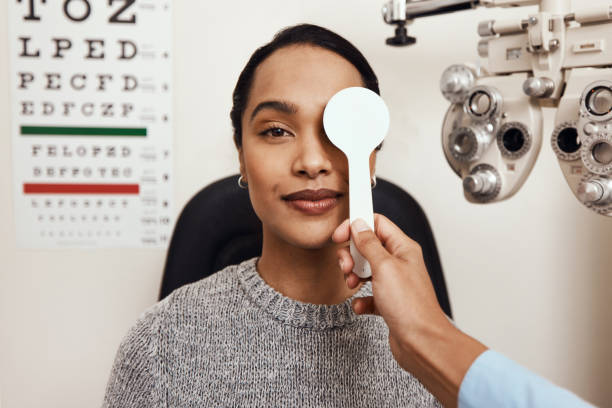
- Snellen Chart Test: You’ll read letters placed at various distances to evaluate clarity of vision.
- Refraction Test: The doctor uses a phoropter or automated refractor to measure refractive errors like nearsightedness (myopia), farsightedness (hyperopia), astigmatism, or presbyopia.
This helps determine if prescription glasses or contact lenses are needed.
Eye Movement and Coordination Tests
Your eyes’ ability to work together is crucial for depth perception and comfortable focus.
- Eye alignment and muscle coordination.
- Smooth tracking movements when following objects.
These tests can detect issues like strabismus (misaligned eyes) or amblyopia (lazy eye).
Pupil Response Examination
Your pupils’ reaction to light is another critical indicator of eye health. The practitioner shines light into each pupil to assess their size and response speed.
Detailed Eye Health Evaluation
- Analyzing eyelids, cornea, conjunctiva, sclera (white part), and iris for abnormalities.
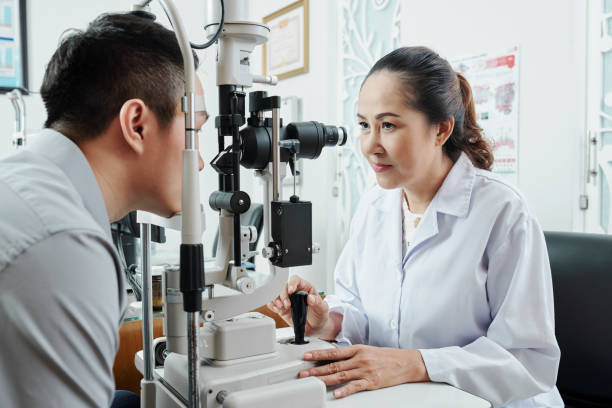
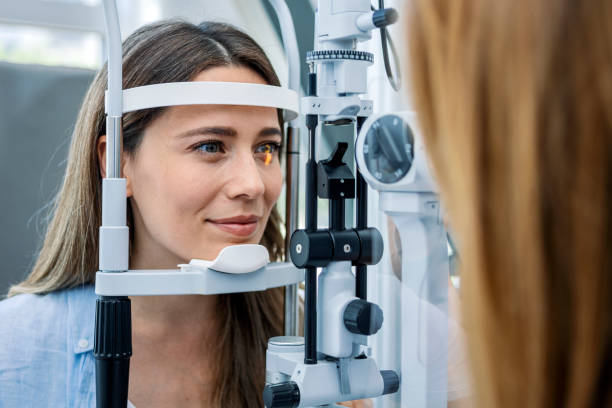
- Using specialized tools like an ophthalmoscope or slit lamp to examine the retina, optic nerve, blood vessels, and macula.
This part can help identify early signs of conditions like diabetic retinopathy, macular degeneration, retinal detachment, or glaucoma.
Intraocular Pressure Measurement
| Method | Description |
| Non-contact tonometry | A quick puff of air onto the cornea |
| Applanation tonometry | A small probe gently touches the cornea |
Abnormally high IOP levels may indicate potential damage to the optic nerve.
Additional Diagnostic Tests
- Visual Field Testing: Detects blind spots caused by glaucoma or neurological conditions.
- Retinal Imaging: Provides high-resolution images for advanced diagnostics.
- Color Vision Testing: Identifies colorblindness or acquired deficiencies due to retinal diseases.
Post-exam Discussion & Recommendations
- The doctor reviews findings with you.
- If corrective lenses are necessary, appropriate prescriptions will be provided.
- Recommendations for further treatment plans—such as surgery referrals—may be discussed if required based on results.
- Preventive advice such as dietary tips (e. g. , promoting foods rich in lutein) may also be shared.
By understanding these steps in advance, patients can gain confidence about their visit while appreciating how comprehensive exams contribute significantly toward safeguarding long-term vision health. Regular exams not only address current concerns but also play an instrumental role in early detection of serious issues that could otherwise go unnoticed until advanced stages occur.
Advances in Eye Care: Insights Into Age-Related Macular Degeneration and Diabetic Retinopathy
Advancements in eye care have revolutionized the understanding, detection, and treatment of complex conditions such as age-related macular degeneration (AMD) and diabetic retinopathy. These eye conditions can have a profound impact on vision health and overall quality of life if left untreated. Below is an overview of these conditions, along with insights into how modern advancements are improving treatment options.
Age-Related Macular Degeneration (AMD)
AMD is a leading cause of vision loss among individuals aged 50 and older. It primarily affects the macula—the central part of the retina responsible for sharp central vision.
- Caused by thinning of the macula over time.
- Characterized by drusen (yellow deposits) under the retina.
- Progresses gradually and may lead to blurry central vision.
- Less common but more severe.
- Occurs when abnormal blood vessels grow under the retina, leading to fluid leakage or scarring.
- Can result in rapid vision loss.
Advances in AMD care include:
– Anti-VEGF Injections:Medications like ranibizumab (Lucentis) and aflibercept (Eylea) inhibit vascular endothelial growth factors, reducing abnormal blood vessel formation associated with wet AMD.
– Photodynamic Therapy:A minimally invasive treatment that combines light-sensitive drugs with laser therapy to target abnormal blood vessels.
– Retinal Implants:Experimental treatments involving microchip implants aim to restore some level of vision for individuals with severe AMD.Nutritional Supplements:Research suggests that antioxidant vitamins like C, E, zinc, and lutein can slow dry AMD progression based on findings from the AREDS study.
Diabetic Retinopathy (DR)
| Stage | Key Features |
| Non-proliferative DR | Swelling in blood vessels; hemorrhages |
| Proliferative DR | Abnormal vessel growth; hemorrhaging |
- Retinal Imaging Technology:High-resolution imaging tools such as optical coherence tomography (OCT) allow detailed visualization for early detection.
- Laser Treatment (Panretinal Photocoagulation):Laser therapy prevents further damage by sealing or destroying leaky vessels.
- Artificial Intelligence in Screening:AI algorithms are increasingly being used to analyze retinal scans for early detection in underserved populations at risk.
Preventive Measures and Monitoring
Both AMD and diabetic retinopathy benefit from early diagnosis and consistent monitoring. Some strategies include: – Regular eye examinations tailored to individual risk factors such as age or diabetes duration. – Lifestyle modifications like maintaining healthy blood sugar levels, avoiding smoking, eating nutrient-rich diets, and protecting eyes from UV exposure.
Summary Table Comparing Care Advances
| Condition | Key Intervention | Emerging Technology/Innovation |
| Age-Related Macular Degeneration | Anti-VEGF injections | Retinal implants & gene therapy |
| Diabetic Retinopathy | Laser photocoagulation & OCT imaging | AI-driven diagnostics & advanced imaging |
Advancements continue shaping how specialists approach these chronic conditions, offering hope for improved outcomes through earlier detection and personalized treatments tailored to each patient’s unique needs.
- How a Houston TX Eye Doctor Can Help Maintain Your Vision And Eye Health
- How a Houston TX Eye Doctor Emphasizes The Importance Of Regular Eye Exams To Protect Your Vision
- 6 Reasons to Visit a Houston TX Eye Doctor for Annual Eye Exams
- How a Houston TX Optometrist Can Improve Your Eye Health
- Key Signs You Should Visit an Optometry Houston TX Specialist Immediately
- Choosing a Houston TX Optometrist for Personalized Vision Care
- 5 Sure-Fire Methods to Differentiate Your Optometry Practice in Houston TX and Attract New Patients
- How to Choose the Best Houston TX Eye Doctor for Optimal Eye Care
- Choosing the Right Eye Clinic in Houston TX: Optometrist vs. Ophthalmologist